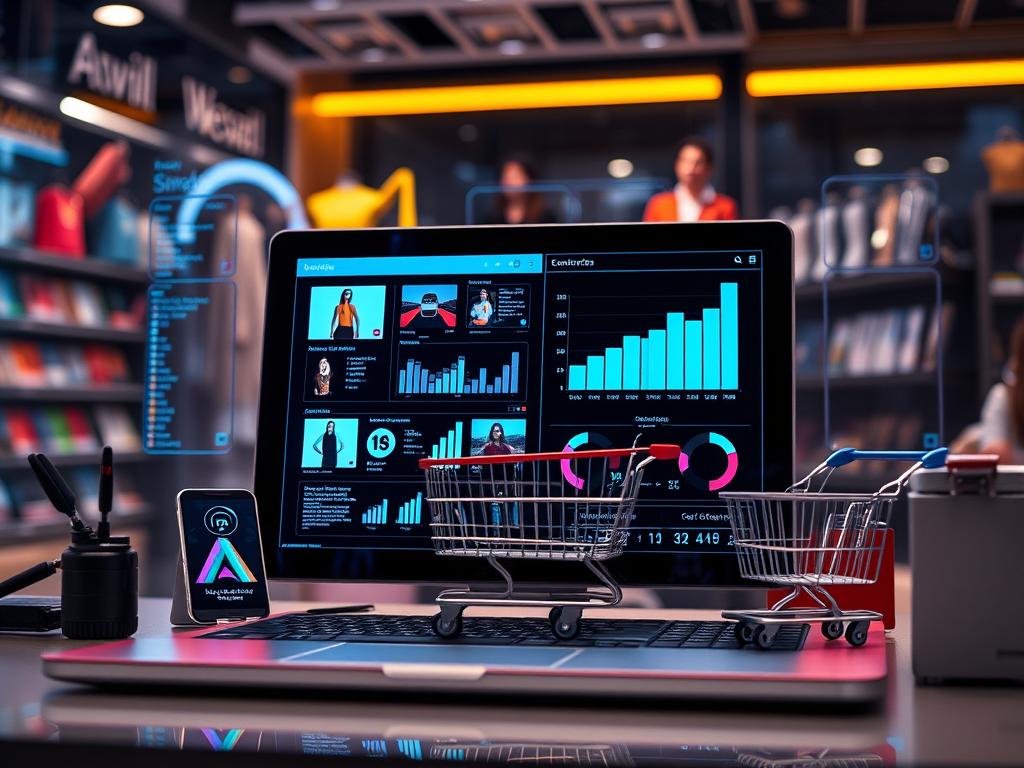
E-commerce is no longer just about buying things online. It’s a rapidly evolving ecosystem driven by cutting-edge technology that’s making the shopping experience more personalized, convenient, and sustainable than ever before. From artificial intelligence to augmented reality, here’s how tech is revolutionizing online retail.
The Power of Personalization
AI is at the heart of the modern shopping experience. By analyzing vast amounts of data—like your browsing history, past purchases, and even how you interact with a website—AI-powered systems can now predict your preferenceswith incredible accuracy. This leads to highly personalized product recommendations and tailored marketing messages. For example, a website might suggest a jacket to match a pair of pants you just bought, or an ad for hiking gear could pop up after you’ve been browsing outdoor websites. This level of customization not only improves the customer experience but also significantly increases sales.
Immersive Shopping with AR and VR

The biggest challenge of online shopping has always been the inability to physically interact with a product. Augmented Reality (AR) and Virtual Reality (VR) are changing that.
- Augmented Reality (AR): Using your smartphone, AR allows you to “try on” products virtually. You can see how a piece of furniture looks in your living room, or see what a shade of lipstick looks like on your face. This reduces the risk of returns and gives customers more confidence in their purchases.
- Virtual Reality (VR): While still emerging, VR offers a fully immersive shopping experience. You can step into a virtual store, walk down the aisles, and browse products as if you were there in person.
The Rise of Sustainable E-Commerce ♻️
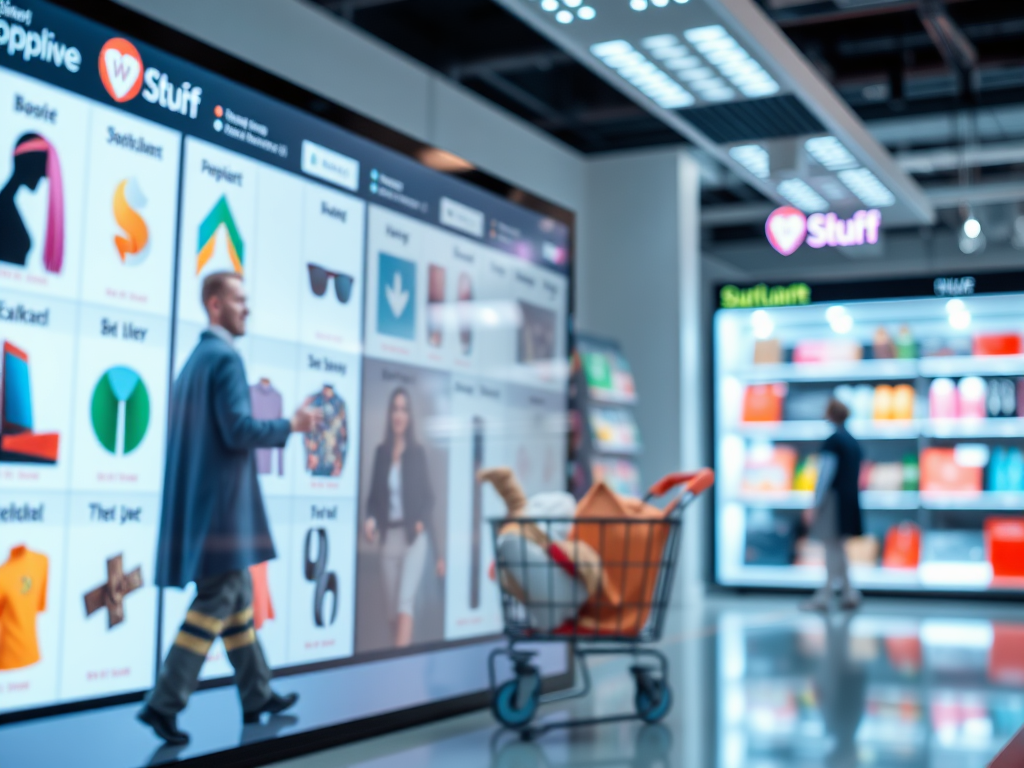
As consumers become more environmentally conscious, e-commerce is adapting with a greater focus on sustainability. Technology plays a key role in this shift.
- Optimized Logistics: AI-powered logistics systems now plan the most efficient delivery routes to reduce fuel consumption and emissions. This not only cuts costs for businesses but also lowers their carbon footprint.
- Conscious Packaging: Retailers are increasingly using eco-friendly packaging, from recyclable materials to minimalistic designs that reduce waste. Many businesses are also using data to calculate the optimal box size for a product, reducing unnecessary fillers.
- Returns Management: The high rate of product returns is a major source of waste. Companies are now using AI and analytics to better understand why products are returned and to implement strategies to reduce them, such as providing more accurate sizing guides and detailed product images.

Leave a comment