The Tech Revolution in Logistics: How Innovation is Reshaping the Supply Chain
The logistics and supply chain industry, once defined by trucks and warehouses, is now a dynamic landscape of cutting-edge technology. From the way products are sorted to how they’re delivered, recent innovations are making the entire process faster, smarter, and more sustainable. Here’s a look at some of the latest tech updates and what they mean for the future of logistics.
Artificial Intelligence and Predictive Analytics
Artificial Intelligence (AI) and machine learning are no longer just buzzwords—they are the new brains of the supply chain. AI-powered systems can analyze huge amounts of data in real-time to do things like predict demand with remarkable accuracy. This helps companies avoid overstocking or running out of products, which saves money and keeps customers happy. AI is also revolutionizing route optimization, creating the most efficient delivery paths to reduce fuel consumption and get packages to their destination faster.
The Rise of Automation

Robots and automation are taking over repetitive and labor-intensive tasks in warehouses, leading to significant gains in efficiency and accuracy.
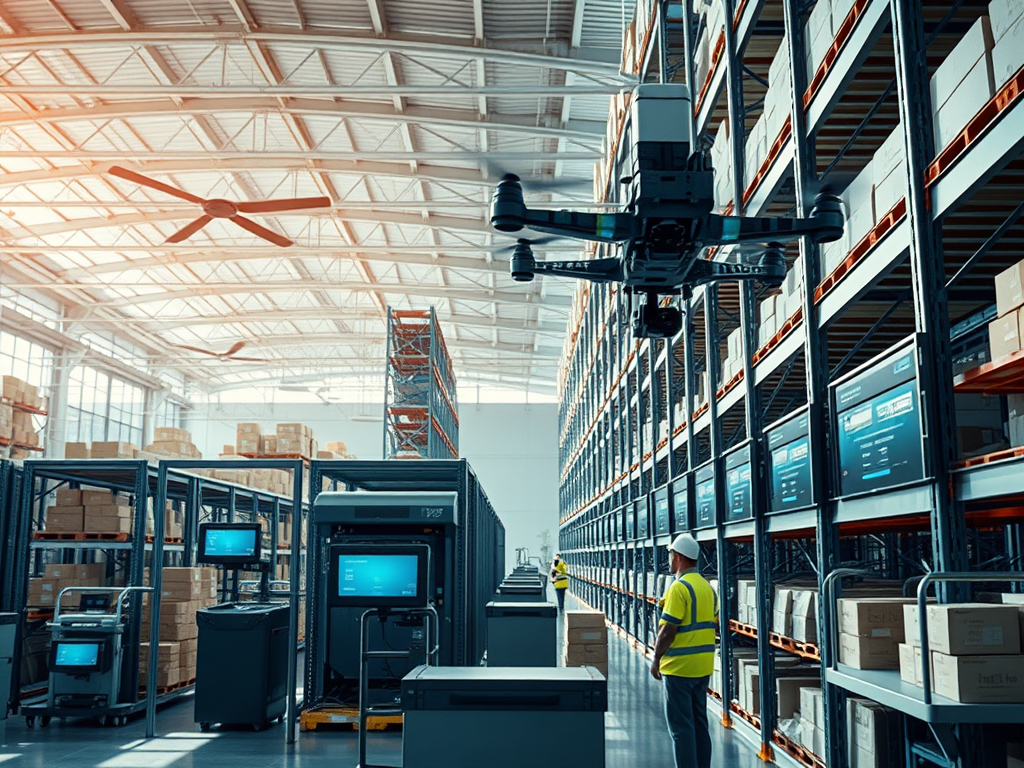
- Robotics: Autonomous mobile robots (AMRs) and automated guided vehicles (AGVs) are zipping around warehouses, handling everything from picking and sorting to transporting goods. These robots work alongside human employees, improving productivity and reducing the risk of human error.
- Drones and Autonomous Vehicles: The future of last-mile delivery is getting a serious upgrade. Drones are being deployed to bypass traffic and deliver small, urgent packages, while autonomous trucks are being tested to transport goods long distances, reducing labor costs and increasing operational hours.
Digital Twins and Enhanced Visibility
Think of a digital twin as a virtual replica of a physical supply chain. By creating a digital model of their operations, companies can simulate different scenarios and identify potential bottlenecks before they happen. This technology, combined with real-time tracking from IoT devices, provides a new level of supply chain visibility. You can know the exact location and condition of a shipment at any given moment, which builds trust and helps in proactive problem-solving.
Blockchain for Transparency
Blockchain technology, known for its role in cryptocurrency, is gaining traction in logistics as a powerful tool for transparency and security. It creates a decentralized, unchangeable record of every transaction and movement in the supply chain. This shared ledger ensures all parties—from the supplier to the customer—have access to the same verified information, helping to prevent fraud, track the origin of products, and streamline processes like customs and payments.
The Push for Sustainability
Technology is a key driver in making logistics greener. Companies are increasingly adopting sustainable practices, and innovations are making it more feasible.
- Electric and Hydrogen Vehicles: The adoption of electric and hydrogen-powered trucks is a major step toward reducing the carbon footprint of transport.
- Optimized Routing: AI-driven route planning isn’t just about speed; it’s also about finding the most fuel-efficient routes, which directly contributes to lower emissions.
Ultimately, these technological advancements are not just about improving individual tasks—they’re about creating a more resilient, transparent, and agile supply chain that can adapt to a world of constant change.

Leave a comment