
The traditional classroom, with its blackboards and textbooks, is being fundamentally transformed. A new wave of educational technology, or EdTech, is creating a more personalized, immersive, and dynamic learning experience for students of all ages. This revolution is not just about bringing screens into the classroom; it’s about using technology to create a more effective and equitable education system.
The Power of AI and Personalized Learning
One of the most significant trends in EdTech is the use of artificial intelligence to create truly personalized learning paths. AI-powered platforms can analyze a student’s performance, learning style, and pace in real-time. Based on this data, the system can:
- Adapt Content: It can automatically adjust the difficulty of lessons, providing more practice on topics where a student is struggling and moving quickly through concepts they’ve already mastered.
- Offer Intelligent Tutoring: AI-powered tutors can provide immediate feedback and guidance, explaining complex topics in different ways until a student grasps the concept.
- Automate Administrative Tasks: AI can also free up teachers from routine tasks like grading quizzes and managing assignments, giving them more time to focus on individual students and creative lesson planning.
Beyond the Textbook: Immersive and Interactive Learning
Technology is making learning more engaging by turning it into an experience.
- Virtual and Augmented Reality (VR/AR): VR headsets can transport students to a Roman amphitheater for a history lesson, or inside the human heart for a biology class. AR, using a smartphone or tablet, can overlay digital information onto the real world—imagine pointing your phone at a star constellation and seeing its name and history appear. This kind of immersive learning makes abstract concepts tangible and memorable.
- Gamification: By incorporating game-like elements such as points, badges, and leaderboards, EdTech platforms can make learning fun and motivate students to stay engaged. Gamified learning is particularly effective at teaching complex problem-solving skills and encouraging collaboration.
The Digital Classroom Ecosystem
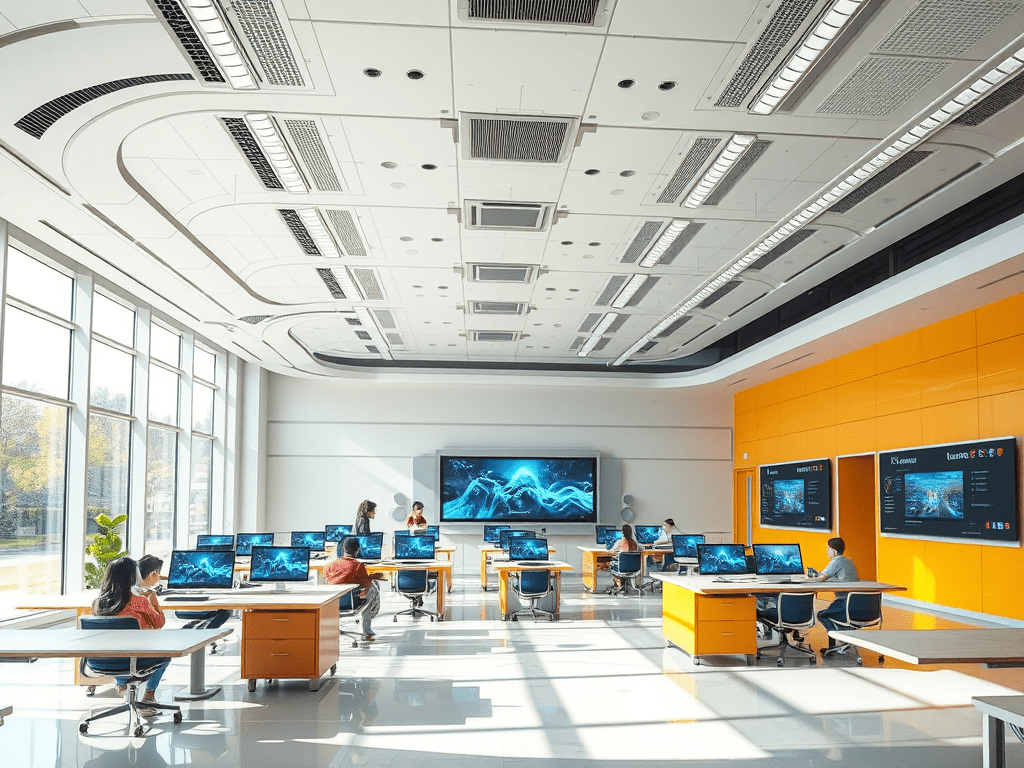
The future of education is a connected ecosystem where all parts work together seamlessly.
- Unified Platforms: The development of universal protocols, such as Matter, is helping to create a cohesive environment where different EdTech tools and devices can communicate with each other, regardless of the brand.
- Data and Analytics: Schools are using learning analytics to gain a deeper understanding of student and classroom performance. This data helps educators identify learning gaps, pinpoint students who need extra support, and tailor their teaching strategies for better outcomes.
- Microlearning: Recognizing the shift in how people consume information, many educational resources are being broken down into small, digestible chunks. This “microlearning” approach, often delivered through apps, makes it easy for students to learn on the go and at their own pace.
The integration of technology into education is not just about modernizing classrooms; it’s about creating a system that is more responsive to the needs of every learner. By embracing these tools, we can prepare students for a future where adaptability, creativity, and a lifelong love of learning are the keys to success.

Leave a comment