
The vehicle transport industry, a complex and often manually-intensive sector, is on the verge of a full-throttle technological revolution. Driven by a need for greater efficiency, transparency, and sustainability, the future of auto shipping is being redefined by a host of cutting-edge innovations that are changing everything from how we book a shipment to how a vehicle arrives at its destination.
The Brains of the Operation: AI and Predictive Analytics
Artificial intelligence is becoming the new engine of auto logistics. AI-powered platforms are transforming a fragmented industry into a seamless, data-driven network. This technology is used for:
- Route and Rate Optimization: AI analyzes a vast array of real-time data, including traffic, weather, port congestion, and fuel prices, to calculate the fastest and most cost-effective routes. This not only speeds up delivery times but also significantly reduces a carrier’s carbon footprint.
- Predictive Maintenance: Sensors on transport trucks collect data on engine health, tire pressure, and other critical metrics. AI algorithms process this information to predict potential mechanical issues before they lead to a breakdown, preventing costly delays and enhancing safety.
- Automated Quoting and Load Matching: AI-driven systems can instantly provide accurate shipping quotes by factoring in variables like vehicle type, distance, and urgency. These platforms also intelligently match shipments with the most suitable carriers, reducing empty miles and increasing operational efficiency.
The Digital Thread: Blockchain and IoT
For an industry built on trust and a massive amount of paperwork, two technologies are providing a new level of security and visibility:
- Blockchain: This decentralized digital ledger is creating a single, tamper-proof record of every step in the shipping process. From bills of lading to vehicle titles, blockchain-anchored documents eliminate fraud, streamline customs clearance, and provide an immutable chain of custody that all parties can trust.
- Internet of Things (IoT): Connected sensors on vehicles and trailers provide a constant stream of real-time data. This allows customers and businesses to track a vehicle’s exact location and monitor critical environmental factors, such as temperature, ensuring that a shipment is secure and its condition is being maintained.
The Green Revolution: EVs and Sustainable Practices
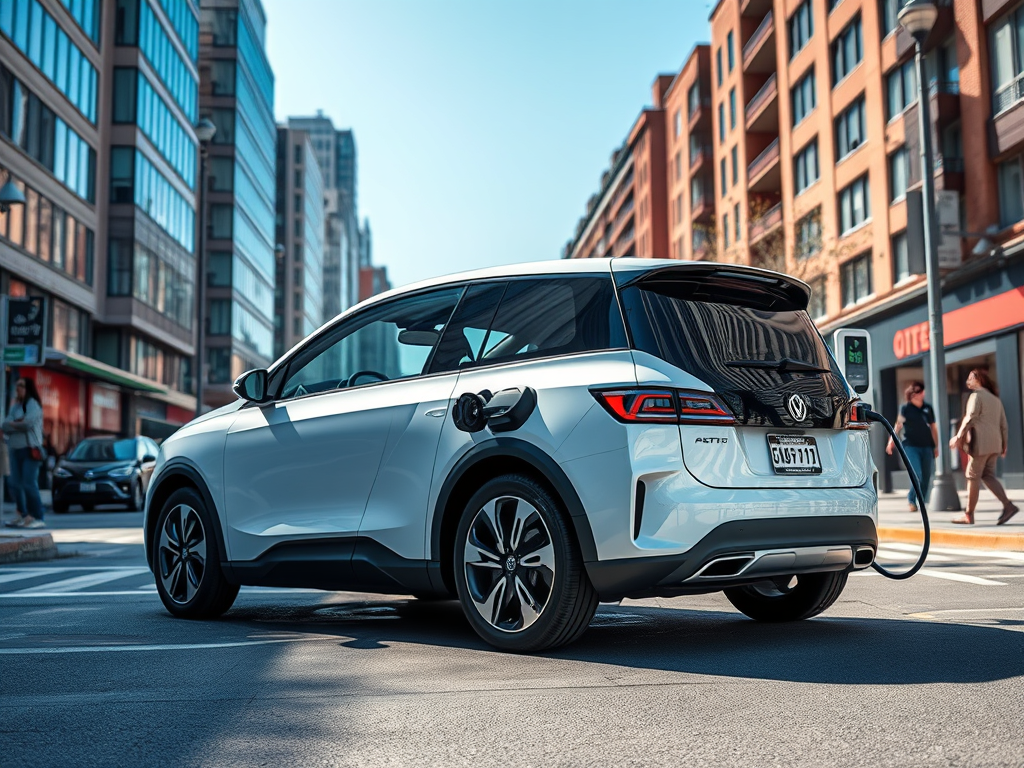
As the global fleet of electric vehicles (EVs) grows, the auto shipping industry is adapting with a greater focus on sustainability.
- EV-Ready Transport: Carriers are investing in specialized equipment to handle the unique weight and battery requirements of EVs, ensuring safe and compliant transport.
- Greener Fleets: The logistics industry is moving towards alternative fuels, with electric and hydrogen-powered transporters becoming more common. AI is playing a key role in managing these fleets, optimizing charging schedules and routes to maximize efficiency and minimize emissions.
The future of auto shipping is an intelligent, interconnected ecosystem. By embracing these new technologies, the industry is poised to become more transparent, efficient, and sustainable, delivering not just cars, but a new standard for modern logistics.

Leave a comment