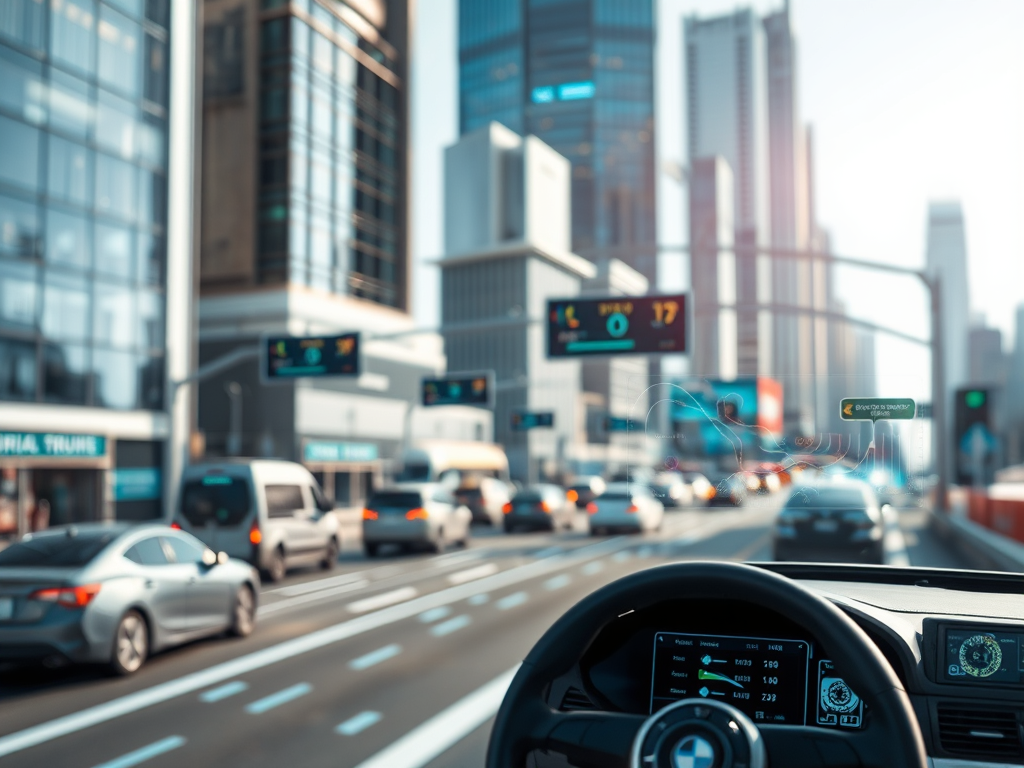
AI’s ability to predict traffic congestion is a remarkable feat of data analysis and machine learning. Unlike traditional methods that relied on historical averages or simple statistical models, AI can process massive, complex datasets to create dynamic, real-time forecasts.
Here’s a breakdown of how AI predicts traffic congestion:
1. Data Collection: The Foundation of Prediction
AI models are only as good as the data they’re trained on. To predict traffic, AI systems ingest data from a wide variety of sources:
- Real-Time Data: This is the most critical component. AI uses information from GPS data from smartphones and connected vehicles (like Google Maps and Waze), road sensors embedded in the pavement, traffic cameras, and IoT devices. This data provides a live snapshot of traffic speed, volume, and density.
- Historical Data: AI models are trained on years of historical traffic data for specific roads, intersections, and highways. This allows them to learn typical traffic patterns, such as rush hour peaks, weekend lulls, or seasonal changes.
- External Factors: To improve accuracy, AI incorporates data from external sources that can influence traffic.This includes:
- Weather: Rain, snow, fog, and even bright sunlight can affect traffic flow.
- Events: The system can pull information from event schedules for concerts, sporting events, and festivals to predict a surge in traffic in a specific area.
- Public Transit: Information about bus or train delays can predict an increase in cars on the road.
- Social Media: In some cases, AI can analyze social media feeds for real-time reports of accidents or other incidents.
2. Machine Learning Models: The Predictive Engine
Once the data is collected, a machine learning model is used to analyze it and make predictions. The most common types of models used for this purpose include:
- Recurrent Neural Networks (RNNs) and Long Short-Term Memory (LSTM) Networks: These are particularly effective for time-series data like traffic flow. They can recognize and learn from patterns over time, allowing them to predict what traffic will look like in the near future (e.g., 10, 20, or 60 minutes from now).
- Graph Neural Networks (GNNs): This advanced type of network is used to model the complex relationships between different parts of a road network. A GNN can understand that congestion on one highway can have a ripple effect on connecting roads, allowing for more accurate, city-wide predictions.
3. The Prediction Process: From Data to Forecast
The process works in three main steps:
- Data Ingestion: The AI system continuously receives a flood of data from all its sources.
- Pattern Recognition: The machine learning model compares the real-time data against its vast database of historical patterns. It looks for anomalies or trends that might signal the beginning of congestion. For example, if it sees a sudden decrease in vehicle speed on a highway, it can correlate this with historical data from similar slowdowns to predict the severity and duration of the upcoming congestion.
- Output and Action: The AI generates a prediction about future traffic conditions. This information is then used to:
- Inform Drivers: It sends real-time updates and alternative routes to navigation apps.
- Control Infrastructure: It can automatically adjust traffic light timings to manage the flow of vehicles and prevent gridlock.
- Alert Planners: City traffic managers can receive alerts about potential congestion hotspots, allowing them to take proactive measures.
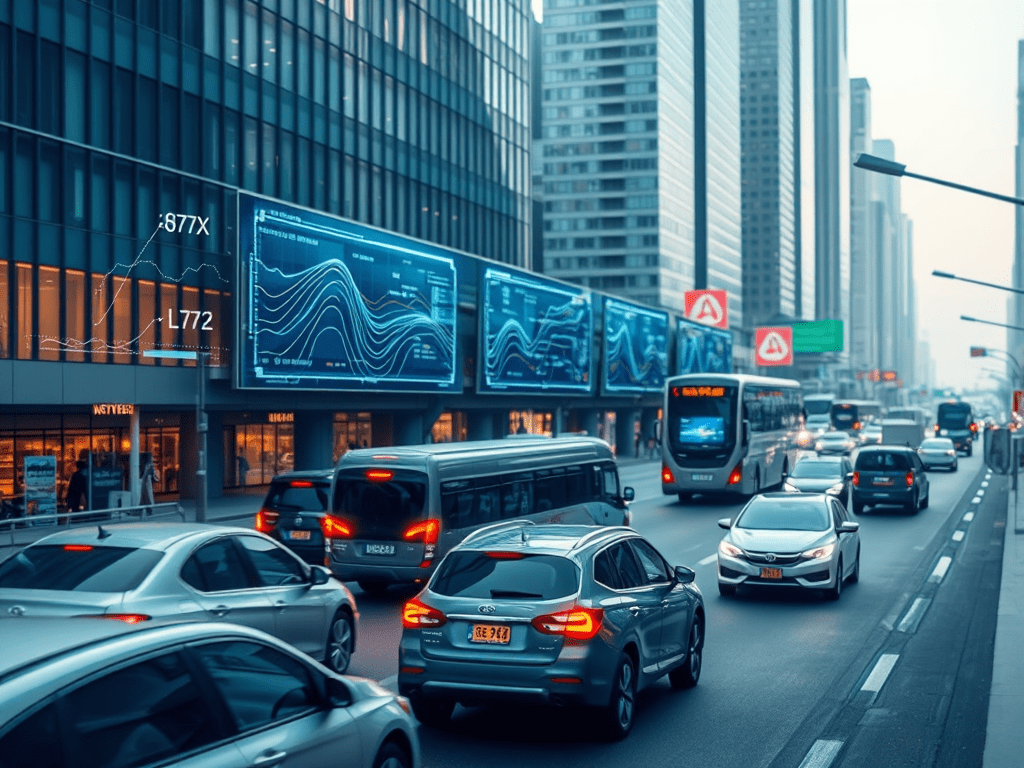
By combining vast amounts of data with sophisticated machine learning, AI moves traffic management from a reactive state to a proactive one, helping to prevent congestion before it.

Leave a comment