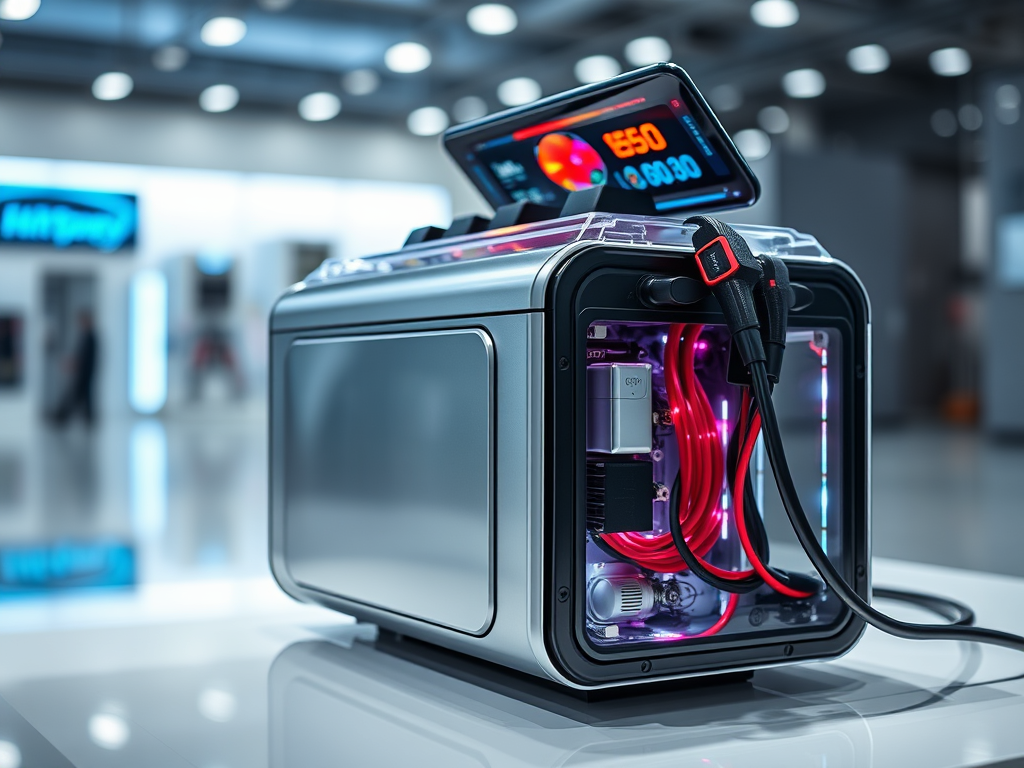
The electric vehicle (EV) market is no longer a niche, eco-friendly option; it is a mainstream force. With a focus on extending range, slashing charging times, and improving the driving experience, the latest advancements in technology are driving a new wave of innovation that is making EVs more practical, affordable, and sustainable than ever before.
The Battery: The Heart of the EV
The most significant breakthroughs in EV technology are happening inside the battery. The industry is moving beyond the standard lithium-ion format to explore new chemistries and designs that promise to revolutionize EV performance.
- Solid-State Batteries: Considered the “holy grail” of battery tech, solid-state batteries replace the liquid electrolyte in traditional batteries with a solid material. This change offers a host of benefits, including higher energy density (meaning more range from a smaller battery), faster charging, and a significant improvement in safety, as they are less prone to fire. While still in the prototype phase, major automakers like Toyota and Hyundai are aiming for limited commercial deployment in the coming years.
- New Battery Chemistries: Beyond solid-state, other chemistries are improving performance and reducing reliance on costly materials. Lithium Iron Phosphate (LFP) batteries are becoming more common due to their lower cost, longer lifespan, and lack of cobalt. Meanwhile, researchers are developing sodium-ion batteries, which use a far more abundant and cheaper element than lithium, and lithium-sulfur batteries, which have the potential for a much higher energy density.
- Structural Batteries: Automakers are integrating the battery pack directly into the vehicle’s chassis, making it a structural component. This “cell-to-body” design improves crash safety, reduces the vehicle’s weight, and creates more interior space, leading to a more efficient and comfortable vehicle.
Charging and Power Management: A Smarter Grid
The charging experience is evolving to be faster, more reliable, and more integrated with the power grid.
- Ultra-Fast Charging: New battery designs, along with 800-volt architectures, are enabling ultra-fast charging speeds. These next-generation DC fast chargers can add hundreds of miles of range in as little as 10 to 15 minutes, making long-distance EV travel as convenient as refueling a gasoline-powered car.
- Vehicle-to-Grid (V2G) Technology: EVs are becoming more than just consumers of energy; they are becoming mobile power sources. V2G technology allows an EV to not only charge from the grid but also send power back to it. This can help stabilize the grid during peak demand or provide backup power for a home during an outage.
- Wireless Charging: While still a developing technology, wireless charging is moving closer to commercial reality. These systems would allow an EV to charge simply by parking over an inductive pad in a garage or even on the road, eliminating the need for cables.
Motor and Powertrain Innovations
The electric motor itself is also getting a high-tech makeover.
- Axial Flux Motors: These motors, with a “pancake” shape, are smaller and more powerful than traditional radial motors. They offer higher power density and a more efficient design, making them a key component for high-performance and space-constrained EVs.
- New Semiconductor Materials: The inverters and converters that manage the flow of electricity between the battery and motor are becoming more efficient with the use of new materials like silicon carbide (SiC) and gallium nitride (GaN). These materials are more efficient and can handle higher power levels, improving the overall performance and range of the vehicle.
The advancements in EV technology are not happening in isolation; they are part of a connected ecosystem. As batteries become more powerful and charging infrastructure becomes more intelligent, the entire EV ownership experience will become more seamless, paving the way for a more sustainable and electrified future.

Leave a comment