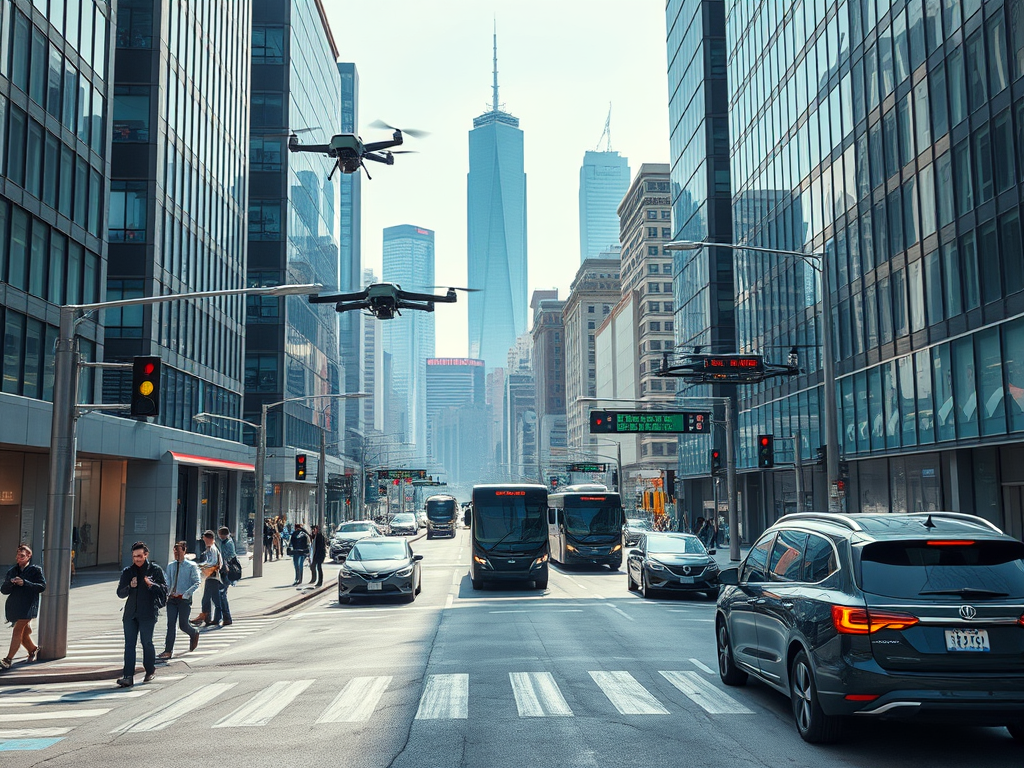
From the cars in our driveways to the trucks on our highways, technology is fundamentally changing how we travel and how goods are delivered. The transportation sector is no longer just about vehicles; it’s a dynamic ecosystem where data, AI, and electrification are converging to create a more efficient, sustainable, and intelligent future.
The New Public Transit: Smart, Shared, and Autonomous
Public transportation is getting a high-tech upgrade. Cities are moving beyond a network of fixed routes and schedules, embracing a more flexible and responsive model.
Autonomous Shuttles: Small, self-driving shuttles are being deployed in cities and campuses to solve the “first mile, last mile” problem, connecting people from their homes to larger transit hubs. Recent partnerships, like the one between Beep, Inc. and ADASTEC, signal a major step from temporary pilots to scalable, commercial services. These new, purpose-built vehicles are designed to be safer, more efficient, and fully accessible for all riders.AI-Powered Logistics: Public transit systems are using AI to optimize routes and schedules in real-time, reducing wait times and improving service reliability. AI is also being used to analyze data on passenger demand, helping cities make smarter long-term investments in their transit infrastructure.Micro-mobility Integration: E-bikes and scooters are no longer just a trend. They are a core component of a modern, multi-modal transportation network, providing a sustainable and convenient option for short trips and helping to reduce traffic congestion.
The Rise of the Electric and Autonomous Fleet
The logistics and trucking industries are undergoing a massive transformation driven by electrification and automation. The focus is on increasing efficiency and sustainability to meet the demands of a global supply chain.
AI for Efficiency: AI is being used to optimize every aspect of the supply chain. AI-powered software can analyze real-time traffic, weather, and road conditions to plot the most fuel-efficient routes for delivery vehicles. It can also predict when a vehicle will need maintenance, preventing costly breakdowns and downtime.Autonomous Freight: The dream of driverless trucks on the highway is moving closer to reality. Companies are conducting trials of autonomous fleets, with the goal of increasing safety and efficiency on long-haul routes. While the technology is not yet ready for all conditions, it is poised to change the face of freight transportation.Electric Vehicles in Logistics: As companies commit to sustainability goals, electric vehicles (EVs) are becoming a common sight in commercial fleets. The challenge now is to build the charging infrastructure needed to support these vehicles, a task that has a new layer of security concerns, with U.S. officials warning about the potential for hidden rogue devices in solar-powered highway equipment.
Looking Ahead: A Connected and Data-Driven Future
The future of transportation will be defined by connectivity. Vehicles will communicate not only with each other but also with traffic signals, smart roads, and other infrastructure, creating a dynamic, real-time network. This will lead to a more intelligent system that can anticipate and prevent congestion, enhance safety, and create a seamless travel experience. However, with all this data collection comes an increased need for robust cybersecurity to protect both our vehicles and our privacy.

Leave a comment