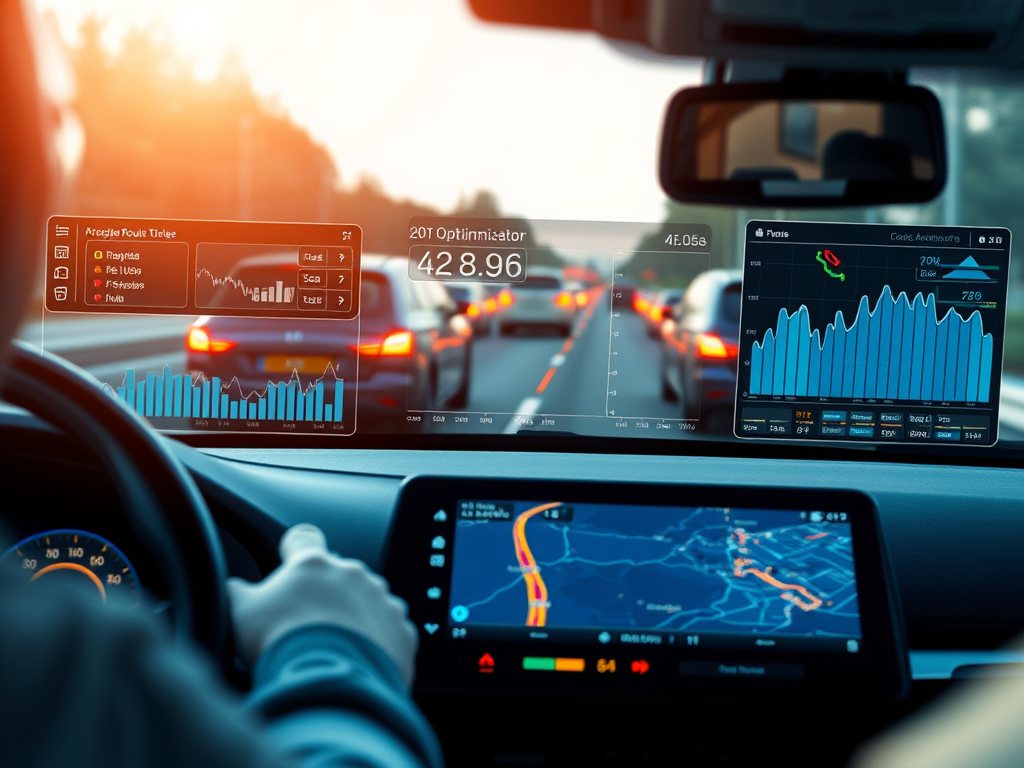
Predictive route planning is an advanced, data-driven approach to vehicle logistics that uses artificial intelligence (AI) and machine learning to forecast future conditions and optimize transportation routes. Unlike traditional route planning, which relies on static maps and historical data, predictive route planning is dynamic, proactive, and constantly adapting to the real world.
How It Works: The Four Key Components
Predictive route planning is a continuous, automated process that works by integrating and analyzing a variety of data points.
- Data Collection and Integration: The system first ingests a massive amount of data from multiple sources in real time. This includes:
- Real-time Traffic: Live feeds from GPS data (telematics), traffic cameras, and navigation apps.
- Historical Data: Past delivery times, traffic patterns, and common routes.
- Environmental Data: Current and forecasted weather conditions (rain, snow, fog, extreme heat) that can impact driving.
- Vehicle-Specific Data: Vehicle capacity, fuel levels, maintenance schedules, and even driver availability and skill sets.
- External Factors: Information about planned events like road closures, construction, or major public events like sports games or concerts that could cause congestion.
- Predictive Modeling: The collected data is fed into machine learning algorithms that analyze patterns and create predictive models. The AI learns from every past trip, constantly improving its ability to forecast future conditions. For example, the system can predict that a specific intersection will be heavily congested at a certain time of day, allowing it to proactively suggest an alternate route before a driver even starts their journey.
- Dynamic Optimization: The AI uses its predictive models to run millions of simulations in real time, calculating the most efficient route based on a variety of goals. The system is a powerful decision-making engine that can consider multiple variables at once to find the ideal path. This goes beyond just finding the shortest distance; it can also prioritize routes that:
- Minimize fuel consumption.
- Avoid known bottlenecks and delays.
- Meet tight delivery time windows.
- Allocate loads to the most suitable vehicle.
- Real-Time Adaptation: What truly sets predictive route planning apart is its ability to adapt on the fly. If an unexpected event occurs—such as a sudden accident, a last-minute change to an order, or a road closure—the system automatically recalculates the optimal route and dispatches new instructions to the driver’s device. This agility prevents cascading delays across the entire network and ensures that operations remain smooth and efficient, even in the face of disruption.
Key Benefits

The adoption of predictive route planning offers significant advantages for auto transportation and logistics companies:
- Increased Efficiency and Cost Savings: By optimizing routes, companies can significantly reduce fuel consumption, minimize vehicle wear and tear, and decrease the time vehicles spend on the road. This leads to substantial savings in operational costs.
- Improved Delivery Times: Predictive analytics allows for more accurate arrival time estimates (ETAs), which enhances customer satisfaction and provides greater transparency.
- Enhanced Safety: By factoring in weather and traffic data, the system can guide drivers away from hazardous conditions and congested areas, leading to a safer journey.
- Better Resource Utilization: The system ensures that every vehicle and driver is used to their fullest potential, minimizing idle time and maximizing productiv

Leave a comment