
To get a quote for shipping your car, you’ll need to provide specific information about your vehicle and your shipping needs to an auto transport company. This can typically be done through an instant online calculator, an online form, or by speaking with a representative over the phone. You should get quotes from several companies to compare prices and services.
Here’s a breakdown of the information you’ll need and the factors that influence the cost:
Information Needed to Get a Quote 📝
To generate an accurate quote, a company will ask for the following details:
- Vehicle Information:
- Year, Make, and Model: The size and weight of your car are key factors in determining the cost, as larger vehicles take up more space and weigh more on the carrier.
- Vehicle Condition: You’ll be asked if the car is operational. Shipping an inoperable vehicle usually costs more because it requires special equipment, like a winch, to load and unload.
- Shipping Details:
- Pickup and Delivery Locations: This is often done by providing the zip codes for the origin and destination. A quote may be more expensive if your locations are in a rural or hard-to-reach area.
- Shipping Dates: Flexibility with your pickup and delivery dates can help you get a lower price. Booking in advance is generally cheaper than needing an expedited or rushed shipment.
Factors That Influence the Cost 💸
The final price of your quote is based on a number of variables:
- Distance: The total mileage is a primary factor. While a longer trip will have a higher total cost, the price per mile usually decreases as the distance increases.
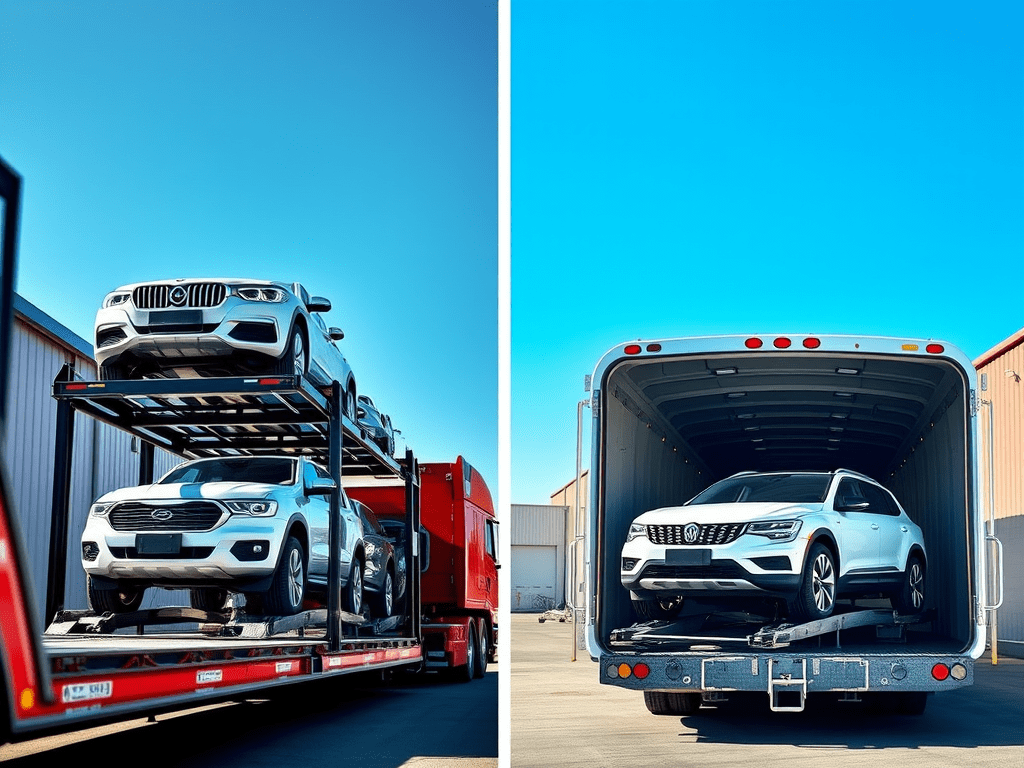
- Transport Type:
- Open Transport: The most common and affordable option. Your car is transported on an open carrier, which is a two-level trailer.
- Enclosed Transport: This is a more expensive option, but it provides maximum protection from weather and road debris. It’s recommended for classic, luxury, or high-value vehicles.
- Time of Year: Prices can fluctuate with demand. Shipping to warmer climates in the winter or during peak moving seasons (like summer) can increase the cost due to higher demand.
- Carrier Competition: The number of available carriers on a specific route can affect the price. Routes with high traffic, like major interstate highways, often have more competition, which can lead to lower prices.

Leave a comment