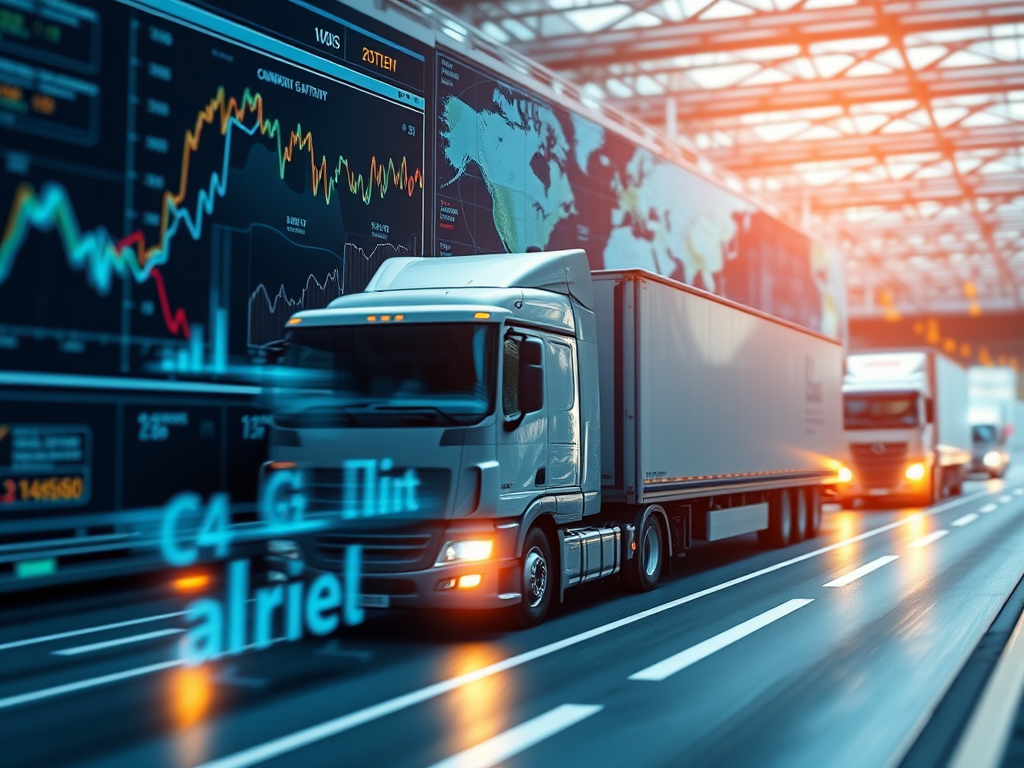
The next wave in technology and transportation will be defined not by a single breakthrough, but by the convergence of three key systems: autonomous operations driven by sophisticated AI agents, the transition to decentralized, vehicle-supported power grids, and a deeper integration of biotechnology and materials science into vehicle design.
1. The Autonomous Ecosystem: Systems that Manage Themselves
While self-driving cars have dominated headlines, the next wave will focus on autonomous systems and the AI agents that manage them across entire networks. This shifts the focus from a single vehicle driving itself to an entire logistics or mobility system operating without human intervention.
- Agentic AI in Logistics: Autonomous AI agents are replacing static optimization algorithms with self-correcting systems. These agents perceive real-time data (traffic, weather, supply chain risks), plan complex, multi-objective tasks (cost, speed, and sustainability), and act autonomously. For example, a “logistics agent” can detect a port delay and instantly reroute a freight shipment, adjust the factory production schedule, and notify the final customer, effectively creating a self-healing supply chain. This is expected to significantly cut costs and improve resilience.
- Level 4 Autonomy for Commercial Fleets: The commercial and logistics sectors will see a massive rollout of Level 4 autonomous vehicles, especially for long-haul trucking and last-mile drone/robot delivery. These systems—which handle all driving under certain conditions—will dramatically reduce operational costs and enhance delivery efficiency by running continuously.
- Mobility-as-a-Service (MaaS) Platforms: AI will power true MaaS platforms, integrating autonomous ridesharing, public transit, and micro-mobility (e-bikes, scooters) into a single, seamless, and optimized user experience for entire cities.
2. Vehicles as Power Plants: The V2G Revolution ⚡️
Electric Vehicles (EVs) are already a trend, but the next major shift is turning them into active energy assets that stabilize the power grid. This is enabled by Vehicle-to-Grid (V2G) technology, which allows EVs to not only charge from the grid but also send stored energy back.
- Decentralized Energy Grids: As renewable energy sources like solar and wind become more prevalent, the challenge of intermittent supply grows. V2G transforms an EV fleet into a massive, distributed energy storage system—essentially a network of mobile power plants. During peak demand or power outages, these vehicles can discharge electricity back to the grid or power homes (Vehicle-to-Home/V2H), performing a vital role in grid stabilization and reliability.
- Financial Incentives for Owners: EV owners will be incentivized to participate, effectively earning money by selling their stored electricity back to the utility during high-demand, high-price hours, helping to offset the cost of vehicle ownership.
- Smart Infrastructure: The widespread adoption of V2G will require a revolution in infrastructure, including new standards for bidirectional chargers and smart grid systems that can manage this dynamic two-way energy flow in real-time.
3. The Bio-Material and Human Interface Leap 🧬
A more distant, but equally transformative, wave is the convergence of biotechnology, advanced materials, and transportation. This intersection will fundamentally change how vehicles are made and how we interact with them.
- Bio-Materials for Sustainable Transport: Biotechnology will enable the creation of next-generation materials for lighter, stronger, and more sustainable vehicles. This includes new bio-polymers and self-healing materials that can reduce manufacturing waste and extend a vehicle’s lifespan. We’ll see materials engineered at the molecular level for superior battery performance, impact resistance, and energy absorption.
- Enhanced Human-Machine Interaction: AI’s convergence with bio-sensing technology will create highly personalized and safe travel experiences. Vehicles will not just passively monitor the driver but actively use sensors to measure driver fatigue, stress levels, or even health markers. The vehicle’s AI can then proactively intervene—by adjusting temperature, changing lighting, initiating level 2 autonomy, or suggesting a rest stop—to ensure safety and comfort.
- The Connected Human and Machine: In the long term, the combination of AI and cognitive science will lead to increasingly intuitive and even anticipatory human-machine interfaces, where communication with the vehicle’s system is nearly seamless, perhaps through advanced voice control or personalized augmented reality displays.
The next wave of transportation is not just about electric and autonomous, it’s about self-managing, energy-producing, and biologically informed ecosystems. These converging forces will create a transportation network that is vastly more efficient, resilient, and deeply integrated into our daily lives and our future power infrastructure.
Suggested Internal Links
- Quote Form
- Open vs. Enclosed
- Inoperable Vehicles
- How It Works
- Insurance & Claims
- Artificial Intelligence
- Data Privacy
- BOL
Services: heavy equipment transport, RV shipping, oversize load permits, boat transport, auto auction transport, heavy haul trucking, RGN trailer, nationwide vehicle shipping

Leave a comment