
At AAS LLC USA, our business is built on the secure and efficient movement of vehicles. While our focus has always been on truck carriers, the latest breakthroughs in AI-powered humanoid robotics are poised to trigger a profound transformation, not just on the assembly line, but throughout the entire auto transportation ecosystem—from the factory floor to the final delivery.
This isn’t just about replacing human labor; it’s about creating intelligent, adaptive automation that can operate in human-centric environments, fundamentally rewriting the rules of logistics.
🏭 Impact on Automotive Manufacturing and Lineside Logistics
The immediate and most visible impact of humanoid robots like Figure, Optimus, and Digit is in the manufacturing plants, which directly affects the volume, quality, and speed of vehicles we transport.
- Filling Labor Gaps in Production: The automotive sector has led the adoption of robotics and is currently struggling with persistent labor shortages in repetitive, physically demanding tasks. Humanoids are being trialed to fill these vacant roles, performing tasks like handling metal sheets, affixing vehicle logos, and performing quality inspections.
- Seamless Integration (Brownfield Automation): Unlike massive, fixed industrial robots that require entirely new factory layouts (“greenfield” sites), humanoids are designed to operate within existing infrastructure (“brownfield” sites). They can use the same tools, open the same doors, and walk around the same complex environments as human workers, leading to faster, lower-cost deployment.
- Kitting and Lineside Logistics: Humanoid robots are being tested by major automakers (like Mercedes-Benz and BMW) to perform lineside logistics. They can kit parts (collecting all necessary components for an assembly step) and deliver totes of parts directly to the human assembly workers. This increases efficiency by ensuring a Just-In-Time (JIT) supply of components, reducing human effort and error.
📦 Impact on Warehousing and Terminal Operations
For the transportation industry, the time vehicles spend in terminals, ports, and storage warehouses is a critical factor in delivery speed. Humanoids will revolutionize cargo handling.
- Efficient Loading and Unloading: Humanoid robots, with their increasing dexterity and computer vision, will be able to perform complex tasks like unloading vehicles from pallets and organizing them in staging areas. Their ability to handle irregularly shaped goods (like vehicle parts) and navigate congested spaces surpasses that of older Automated Guided Vehicles (AGVs).
- Inventory Management and Inspection: Equipped with sensors and sophisticated AI, humanoids can autonomously roam yards and warehouses, performing real-time inventory checks with RFID readers and barcode scanners. For auto transport companies like AAS LLC USA, this means more accurate reporting on vehicle location and condition before pickup.
- Damage Pre-Inspection: Humanoids can be programmed to perform a detailed visual inspection of vehicles upon arrival at a yard or port. These AI-driven systems can spot microscopic defects or new scratches that human eyes might miss, providing a consistent, verifiable condition report before the car ever gets loaded onto a carrier.
🚚 Impact on AAS LLC USA Operations (The Future of Auto Transport)
While a humanoid robot may not be driving our carriers anytime soon (that’s the domain of specialized Autonomous Driving technology), their effect on our operations will be significant through efficiency gains and cost reduction.
| Area of Impact | Current Manual Process | Humanoid/AI Robotics Effect |
| Route Optimization | Manual analysis of traffic, weather, tolls. | AI algorithms process real-time data to find the most fuel-efficient, fastest routes, reducing transit times and operating costs. |
| Loading/Unloading | Human drivers and yard personnel manually maneuver vehicles and secure tie-downs. | Humanoids could potentially assist with securing vehiclesonto carriers and managing complex documentation during load/unload, reducing human error and time. |
| Predictive Maintenance | Scheduled maintenance or reaction to breakdown. | AI continuously monitors truck/trailer health, predicting component failure before it happens, minimizing breakdownsand costly delays on the highway. |
| Pricing & Quoting | Quote generation based on historical averages and human judgment. | AI-driven tools forecast accurate, transparent quotes by factoring in real-time variables like fuel prices, seasonal demand, and specific lane costs. |
Export to Sheets
The Road Ahead
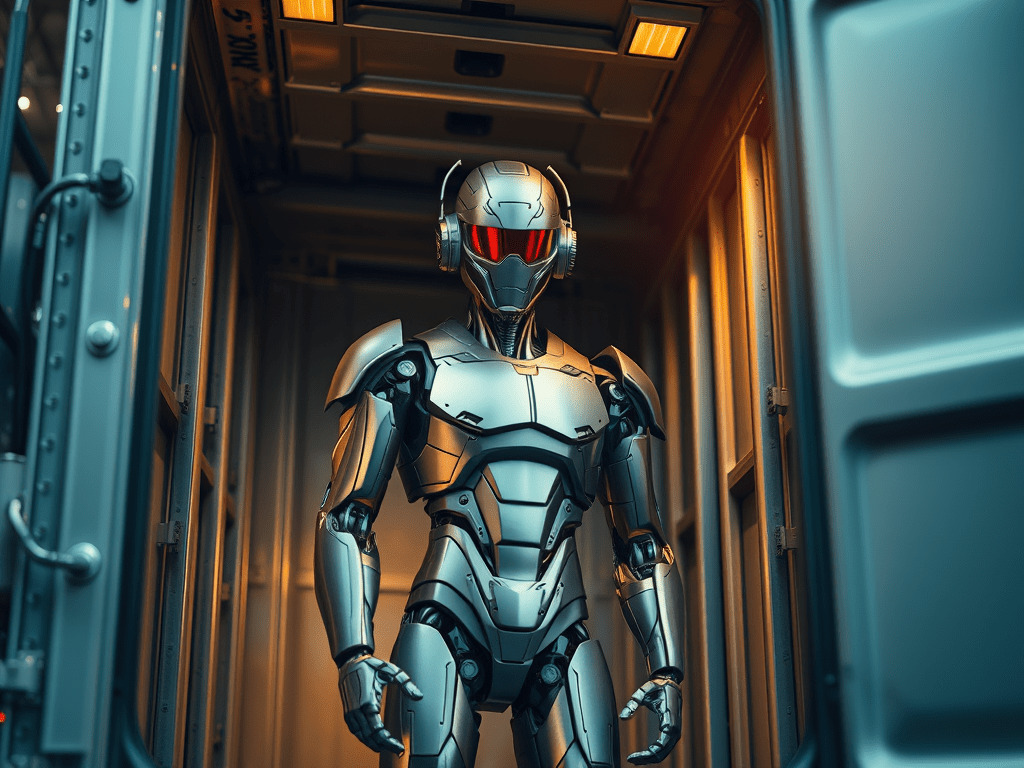
The widespread adoption of humanoid robots across manufacturing and logistics is not just a technological upgrade; it’s a strategic move to address fundamental issues of cost, efficiency, and labor safety. For us in the auto transportation industry, it means a future of smarter supply chains, quicker transit times, and lower operational costs, all leading to a more streamlined experience for our customers.
The era of the intelligent, walking, working machine is officially here.
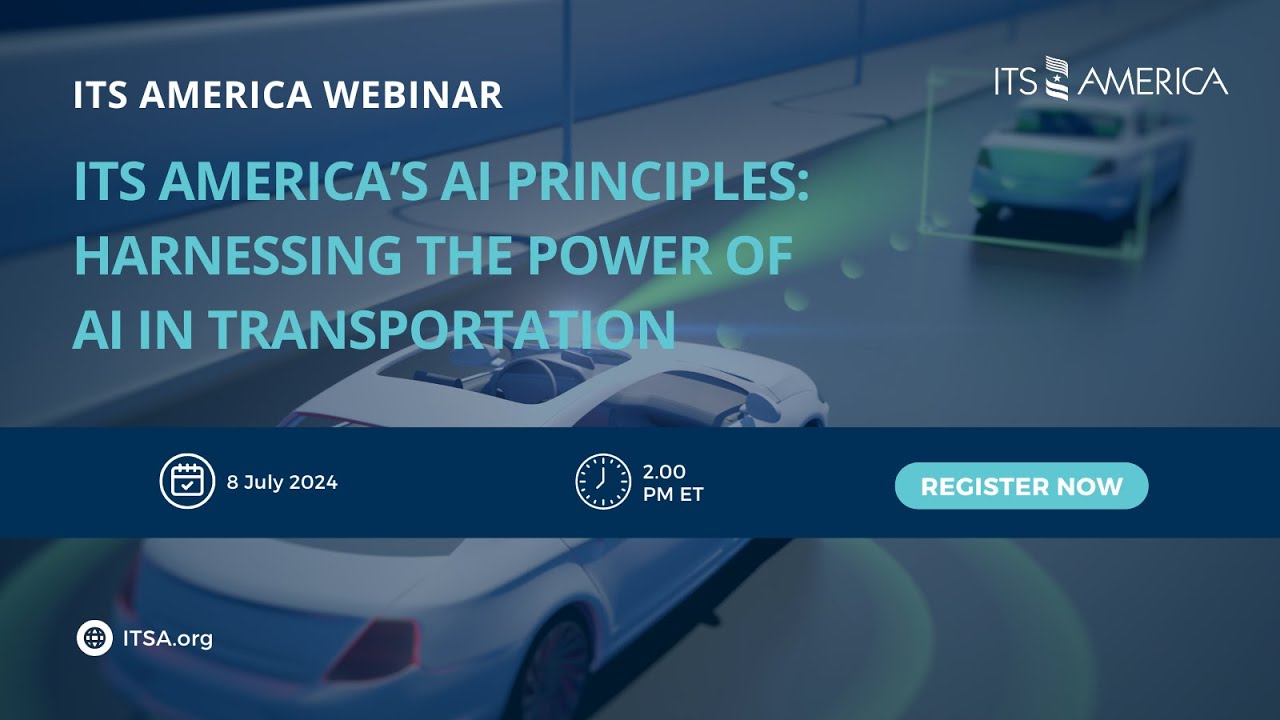
If you are interested in how AI is changing the foundation of the logistics sector, you can learn more here: ITS America’s AI Principles: Harnessing the Power of AI in Transportation. This video discusses the policy principles for implementing artificial intelligence in the transportation community, which will impact the future deployment of AI-powered systems, including humanoid robots.
ITS America’s AI Principles: Harnessing the Power of AI in Transportation – YouTube


Leave a comment