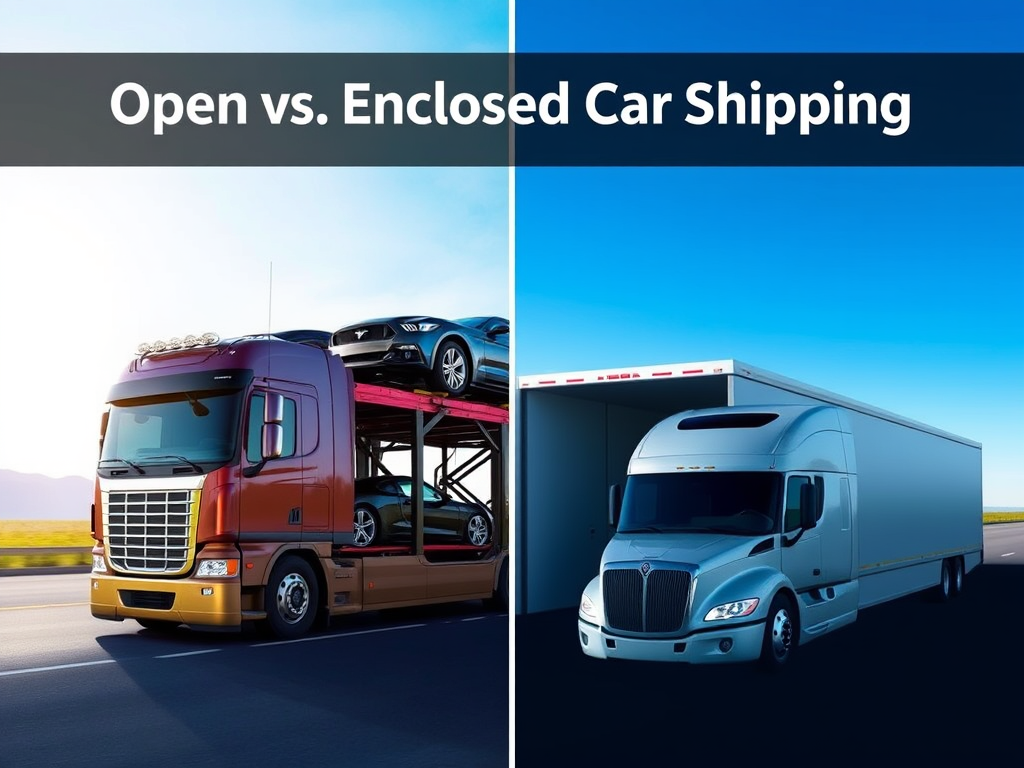
When you need to move a vehicle across the country—whether you’re relocating for a job, buying a car online, or sending a kid off to college—the biggest decision you’ll face is the type of carrier to use.
In the transport world, this comes down to two main options: Open and Enclosed shipping. Choosing the right one is a balance between your budget and how much protection your car needs.
1. Open Car Shipping: The Industry Standard
If you’ve ever seen a double-decker trailer on the highway packed with cars, you’ve seen open car shipping. This is the most common method used by dealerships and private owners alike.
- How it works: Your vehicle is secured onto a long trailer that is open to the elements.
- Best for: Standard daily drivers, used cars, and budget-conscious moves.
The Pros:
- Cost-Effective: Because these trailers can hold up to 10 vehicles at once, the cost per vehicle is significantly lower.
- Availability: There are far more open carriers on the road, making it easier to book a spot on short notice.
- Visibility: Drivers can easily inspect the vehicles during transit to ensure everything is secure.
The Cons:
- Exposure: Your car is exposed to rain, snow, sun, and road debris (like small rocks or dust).
- Cleanliness: Your car will likely arrive needing a good car wash.
2. Enclosed Car Shipping: The White-Glove Service
Enclosed shipping involves a trailer with solid walls and a roof, completely sealing the vehicles inside away from the outside world.
- How it works: Your vehicle is placed inside a hard-sided or soft-sided trailer, often using hydraulic lift gates to keep the car level during loading.
- Best for: Luxury brands, classic collectibles, vintage racers, or brand-new high-end EVs.
The Pros:
- Total Protection: Your car is 100% shielded from weather, road salt, and flying debris.
- Security: Enclosed trailers offer a higher level of “out of sight, out of mind” security from potential theft or vandalism.
- Specialized Equipment: These carriers often use soft tie-downs and low-angle ramps specifically designed for low-clearance sports cars.
The Cons:
- Price Tag: You can expect to pay 30% to 50% more for enclosed shipping.
- Lower Availability: There are fewer enclosed trailers available, which may lead to longer wait times for pickup.
Quick Comparison Table
| Feature | Open Shipping | Enclosed Shipping |
| Price | Most affordable | Premium pricing |
| Protection | Exposed to weather/debris | Fully shielded |
| Commonly Used For | Daily drivers, SUVs, Trucks | Luxury, Classic, Exotic cars |
| Availability | Very high | Lower / Specialized |
| Security | Standard | High |
Export to Sheets
Which Should You Choose?
The decision usually boils down to value and risk tolerance.
- Choose Open if: You’re moving a standard vehicle that you drive every day. If a little rain or road dust doesn’t bother you, the savings are well worth it.
- Choose Enclosed if: You own a vehicle with a custom paint job, a high-value investment piece, or a car with very low ground clearance. If the thought of a single pebble hitting your hood keeps you up at night, the peace of mind is worth the extra cost.

Leave a comment