Moving a car in 2026 isn’t quite the same as it was a few years ago. While the core concept remains—getting your vehicle from Point A to Point B—the industry has shifted toward higher tech, heavier vehicles, and a market that favors the “prepared” over the “last-minute.”
Whether you’re a first-time shipper or a seasoned “snowbird,” here is what you need to know about the current state of auto transport.Whether you’re a first-time shipper or a seasoned “snowbird,” here is what you need to know about the current state of auto transport.
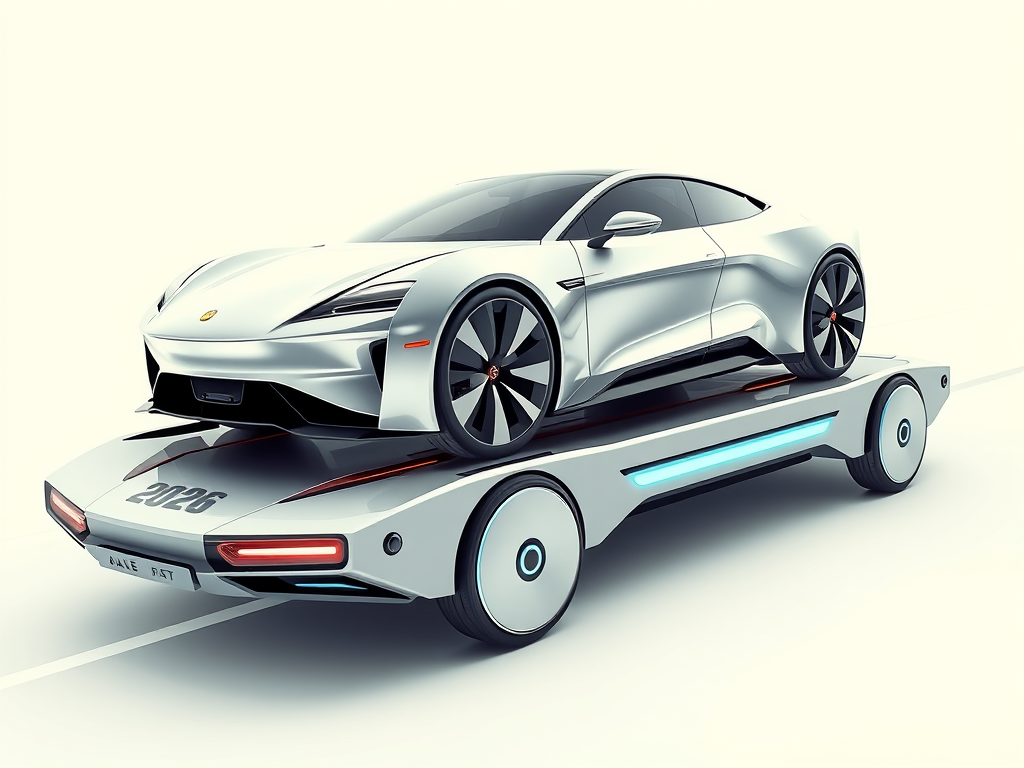
1. The “EV Weight” Factor
One of the biggest shifts in 2026 is the impact of Electric Vehicles (EVs) on shipping logistics. Because EVs are significantly heavier than their gas-powered counterparts (thanks to massive battery packs), they take up more “weight real estate” on a trailer.
- The Cost Ripple: Carriers have strict weight limits. If a trailer is full of heavy EVs, the driver may have to leave one or two spots empty to stay legal.
- Pro Tip: If you’re shipping an EV, ensure your battery is at about 25-50% charge. It’s the “Goldilocks” zone—enough to move the car safely, but not so full that it adds unnecessary safety risk or weight.
2. Tech-Forward Tracking is Now Standard
Gone are the days of calling a dispatcher and hoping for the best. In 2026, the best carriers use real-time GPS and AI-integrated routing.
- Live Updates: You should expect a digital link to track your car’s progress.
- AI Routing: Many companies now use AI to avoid weather bottlenecks and “deadhead” miles (driving empty), which helps keep your costs down by maximizing carrier efficiency.
3. Open vs. Enclosed: Which is right for you?
The age-old debate continues, but the price gap has shifted slightly due to rising insurance premiums for high-value cargo.
- Open Transport: Still the “standard” and most budget-friendly (saving you roughly 30-40%). Perfect for your daily driver.
- Enclosed Transport: Now more popular for EVs and “Software-Defined Vehicles” with sensitive external sensors and cameras. If your car has a $5,000 paint job or a 60-inch hyperscreen, the extra protection is worth the premium.
4. How to Beat the 2026 Price Spikes
The market is currently seeing a “structural tightening,” meaning demand is steady but operating costs (insurance and specialized equipment) are up.
- The 1/4 Tank Rule: Never ship with a full tank. It adds weight and cost. Keep it at a quarter tank.
- Book 2-3 Weeks Out: Last-minute “expedited” shipping in 2026 can carry a 20-30% surcharge.
- The “Clean Car” Mandate: Wash your car before the driver arrives. It sounds counterintuitive, but it’s the only way to accurately document pre-existing dings on the Digital Bill of Lading.
The 2026 Shipping Checklist
| Task | Why it Matters |
| Check Insurance | Your personal insurance might not cover “marine” or “in-transit” damage. |
| Remove Toll Tags | Those scanners can trigger even on the back of a trailer—don’t pay for the truck’s tolls! |
| Personal Items | Carriers can be fined for hauling household goods. Keep the trunk empty. |
| Take Photos | Use your phone to take high-res photos of all four sides and the odometer. |
Export to Sheets

Leave a comment