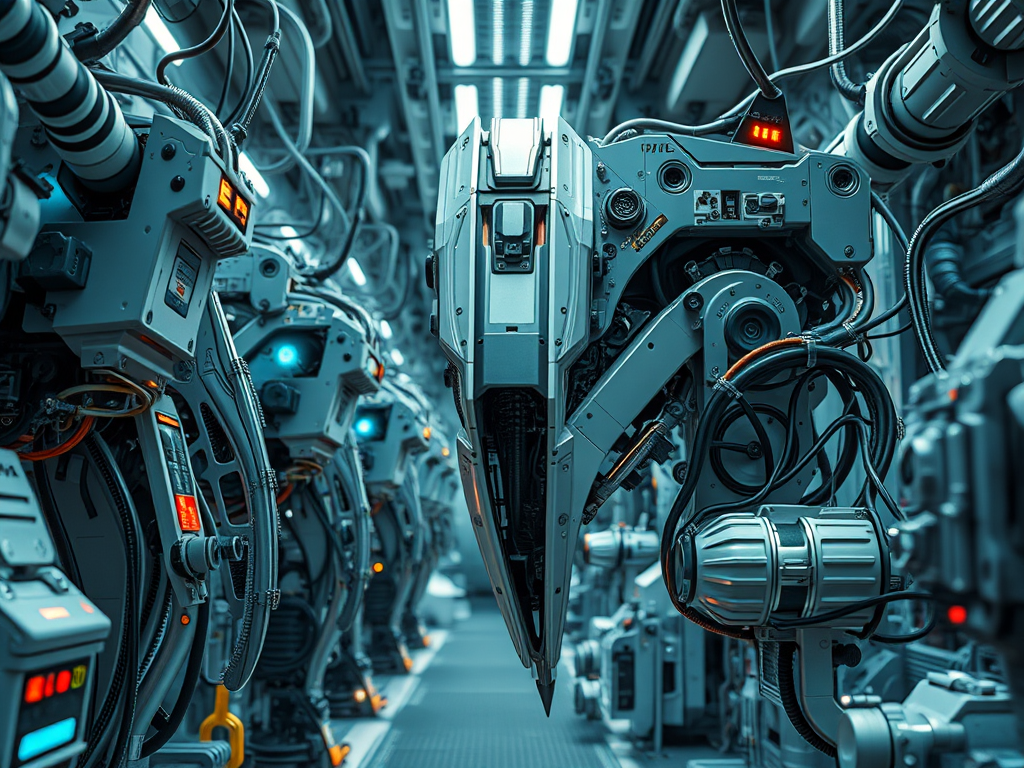
The Rise of the Machines: How Robotics is Redefining Our World
Once confined to factory floors, robotics is now an integral part of our society, moving from a specialized tool to a widespread collaborator. Recent advancements in artificial intelligence and automation are creating a new generation of robots that are more intelligent, versatile, and human-centric than ever before.
The Humanoid Revolution
The most significant trend in robotics today is the surge in the development of humanoid robots. Companies like Agility Robotics and Tesla are building robots with two legs and two arms, not just for show, but to perform complex tasks in human environments. These robots are becoming adept at navigating stairs, handling objects with dexterity, and working alongside humans in warehouses. The goal is to create a robot that can integrate seamlessly into existing workplaces without requiring a complete overhaul of the infrastructure. This is a massive step beyond the traditional, single-task robotic arm.
Collaborative Robots (Cobots) and the New Workforce
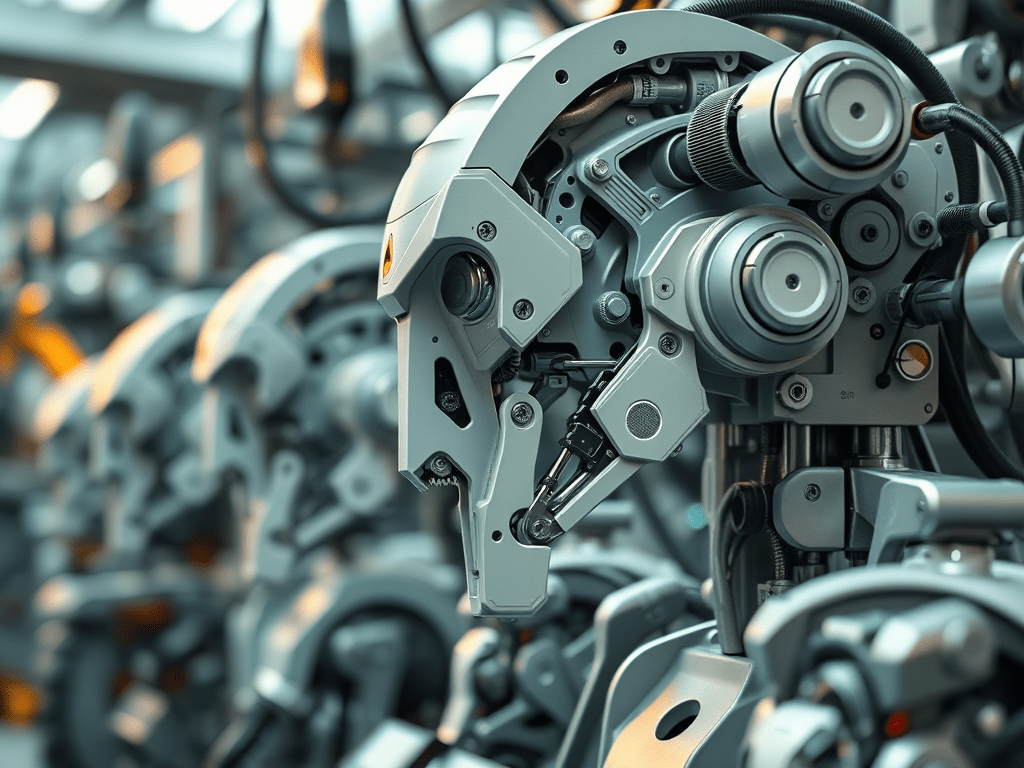
The era of “robots versus humans” is being replaced by “robots with humans.” Collaborative robots, or cobots, are designed to work safely and effectively side-by-side with people. They are equipped with sensors that allow them to stop instantly if they come into contact with a person, making them ideal for tasks that require both human skill and robotic precision. This collaboration is already boosting productivity in manufacturing and logistics, as cobots handle repetitive and physically demanding jobs, freeing up human workers to focus on more complex, strategic, and creative tasks.
The Power of AI and Digital Twins
The true intelligence of modern robots comes from AI. AI and machine learning algorithms allow robots to:
- Learn and Adapt: They can analyze data from their environment and learn new tasks without being explicitly programmed.
- Make Real-Time Decisions: Equipped with powerful processors and advanced sensors, robots can now make on-the-spot decisions about navigation, object manipulation, and problem-solving.
- Optimize Operations: The use of a digital twin—a virtual replica of a robotic system—allows engineers to test and optimize a robot’s performance in a simulated environment, reducing development costs and ensuring efficiency before a single robot is built.
From automated surgery in healthcare to self-navigating delivery robots and crop-monitoring drones in agriculture, the applications of robotics are expanding into every sector. The future of robotics isn’t about replacing people, but about augmenting human capabilities and creating a safer, more efficient, and more innovative world.

Leave a comment