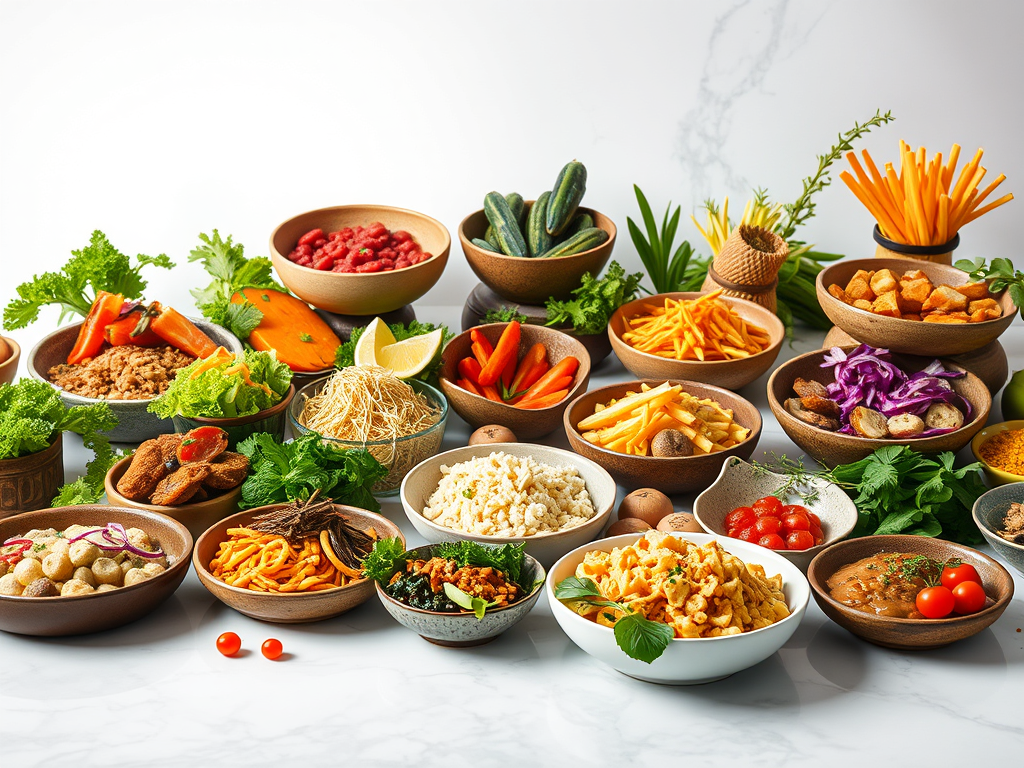
The global food system is at a crossroads. As the population grows and environmental concerns mount, innovators are turning to technology to find solutions. The result is a vibrant “food tech” industry that is fundamentally changing how we grow, make, and eat our food. This isn’t just about new recipes; it’s about a complete transformation from farm to fork.
Cultivating a Better Way: The Rise of Vertical Farming
The future of agriculture is going vertical. Vertical farming is the practice of growing crops in vertically stacked layers, often in controlled, indoor environments. This method uses far less land and up to 95% less water than traditional farming. Because these farms can be located in or near urban centers, they drastically reduce the “food miles” a product has to travel, ensuring fresher produce and cutting down on transportation emissions. This technology is creating “food oases” in deserts and high-population areas where traditional farming is impractical.
From Lab to Lunch: The Alternative Protein Revolution
The demand for sustainable and ethical protein sources is driving a wave of innovation. While plant-based meat alternatives have been on the market for years, new technologies are making them more realistic and diverse.
- Precision Fermentation: This is a game-changer. It uses microorganisms like yeast to produce specific proteins, fats, or ingredients with incredible precision. The result is animal-free dairy protein that can be used to make everything from ice cream to cheese without a single cow.
- Cultivated Meat: This is real meat, grown from a small sample of animal cells in a controlled environment. It offers the taste and texture of conventional meat but with a significantly lower environmental footprint and no need for animal slaughter.
The Power of Data: AI in the Food Chain
Artificial intelligence is becoming the silent partner in the food industry. AI and machine learning are being used to optimize every step of the supply chain, from the farm to the store. On the farm, AI helps farmers monitor crop health, predict yields, and apply fertilizers and water with pinpoint accuracy, leading to greater efficiency and less waste. In processing and distribution, AI-powered systems can predict demand, manage inventory, and optimize logistics, ensuring that food gets where it needs to go before it spoils.
This new wave of food tech is about more than just a passing trend; it’s about creating a more resilient, sustainable, and equitable food system for a growing planet.

Leave a comment