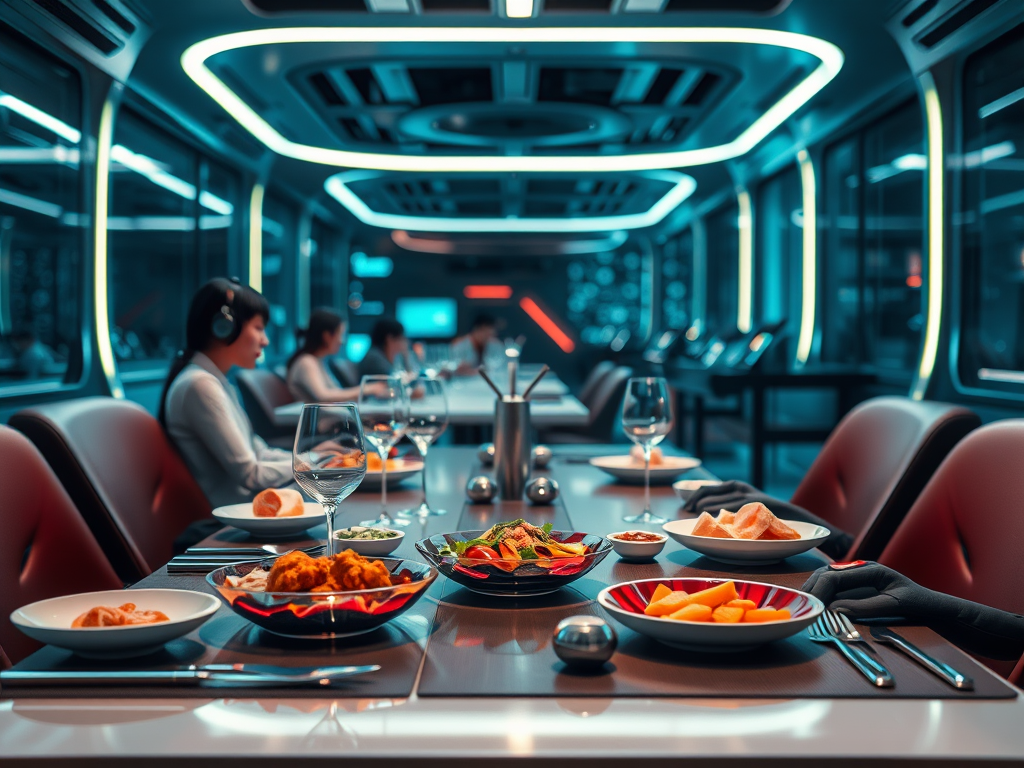
The global food system is in a period of unprecedented change. With a growing world population and increasing pressures on resources, innovators are turning to technology to find sustainable, efficient, and delicious solutions. This isn’t just about a new recipe; it’s a fundamental reimagining of how we produce, distribute, and consume food.
The Rise of the Alternative Protein
The demand for more sustainable and ethical protein sources is driving a revolution in the food lab. Beyond the familiar plant-based burgers, new technologies are creating protein that is nearly indistinguishable from its animal-derived counterparts.
- Cellular Agriculture: This groundbreaking field involves growing real meat, seafood, and dairy products directly from animal cells in a lab, with no need for animal slaughter. While still an emerging technology, it holds the potential to drastically reduce the environmental footprint of traditional farming.
- Precision Fermentation: This process uses microorganisms to produce specific ingredients, such as animal-free dairy protein or egg whites. These “designer” proteins can be used to create everything from cheese that melts just like the real thing to ice cream with the same creamy texture.
Smart Food, Smart Farms
Technology is transforming every step of the food supply chain, from the farm to the store shelf.
- AI in Agriculture: On the farm, AI helps farmers monitor crop health, predict yields, and apply fertilizers and water with pinpoint accuracy. This “precision agriculture” not only increases efficiency but also reduces waste and environmental impact.
- The Internet of Packaging: Your food is getting smarter. “Active” packaging can extend a product’s shelf life, while “intelligent” packaging uses sensors and QR codes to provide real-time information on freshness and origin. This gives consumers more transparency and helps reduce food waste.
- Robotics and Automation: In food processing and delivery, robots are increasing efficiency and safety. They can perform tasks like sorting produce, packaging items, and even cooking meals in a commercial kitchen, reducing the risk of human error and foodborne illness.
A Focus on Sustainability and Health
Today’s food tech is driven by a twin focus on sustainability and personalized health. The goal is to create a food system that can feed a global population without exhausting the planet’s resources. At the same time, consumers are demanding food that is not only good for the planet but also tailored to their individual needs. We’re seeing a rise in functional beverages and foods that offer specific health benefits, and companies are using data to create personalized nutrition plans based on an individual’s unique dietary needs.
The future of food is no longer just about what’s on the menu; it’s about a dynamic, intelligent, and sustainable system that can nourish a growing world.

Leave a comment