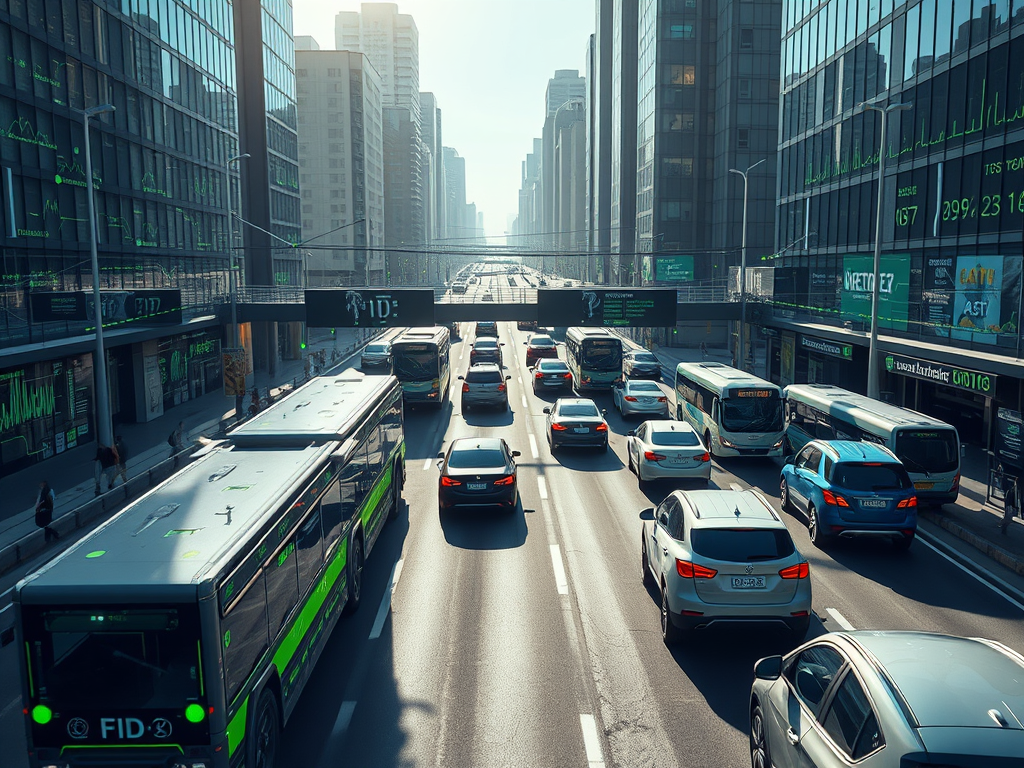
AI traffic management relies on a variety of sensors to collect the data it needs to make smart decisions. These sensors act as the “eyes and ears” of the system, providing a continuous stream of information about vehicle presence, speed, and overall traffic flow.
The specific types of sensors used can be categorized into two main groups: those embedded in the road and those mounted above or to the side of the road.
In-Roadway Sensors
These sensors are a traditional but still widely used method of traffic detection.
- Inductive Loop Detectors: These are the most common type of traffic sensor. They consist of one or more loops of wire buried in a shallow cut in the pavement. A small current is passed through the wire, creating a magnetic field. When a large metallic object, like a car, passes over or stops within the loop, it changes the inductance of the loop. This change is detected by an electronic unit, which signals to the AI system that a vehicle is present.Inductive loops can count vehicles, measure speed, and detect presence.
Over-Roadway and Side-Mounted Sensors
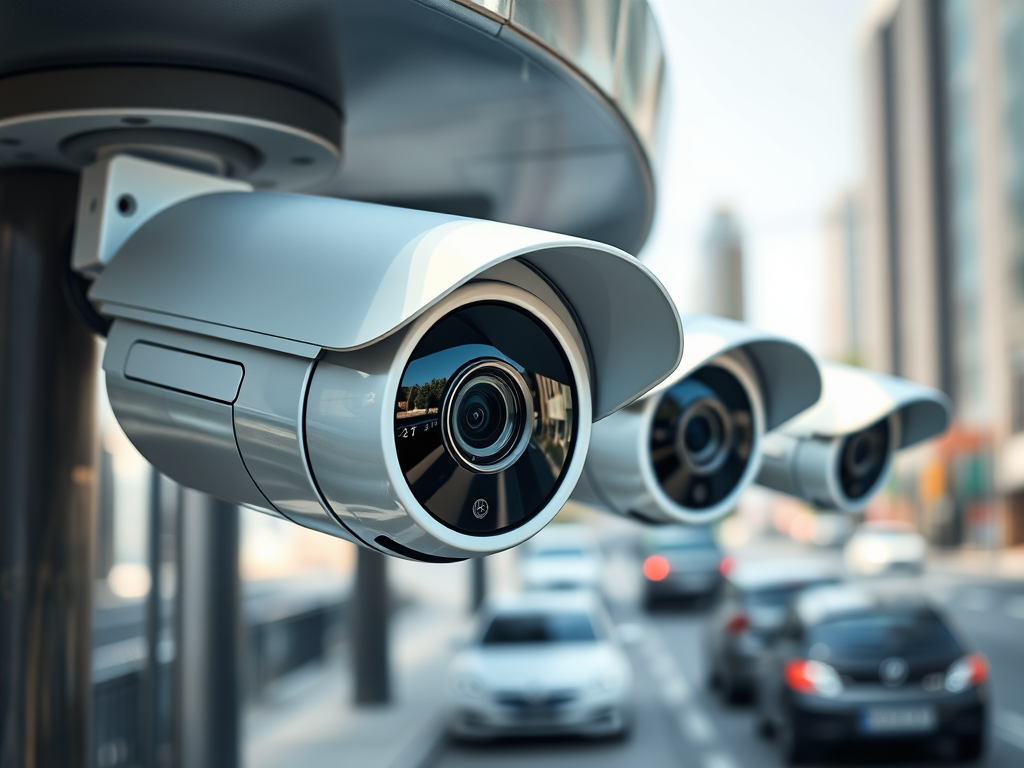
These sensors are increasingly popular due to their ability to collect more detailed data without the need for disruptive road construction.
- Video Cameras (AI-Powered): This is one of the most exciting and powerful types of sensors. Traditional cameras were used for surveillance, but with the addition of AI and machine vision, they can now perform a variety of analytical tasks. AI-powered cameras can:
- Classify Vehicles: Distinguish between cars, trucks, buses, motorcycles, bicycles, and even pedestrians.
- Count and Track: Accurately count vehicles and track their movement in real-time across multiple lanes.
- Detect Incidents: Automatically detect accidents, stalled vehicles, objects on the road, and other events that could cause congestion.
- Analyze Behavior: Identify traffic violations like running a red light or making an illegal turn.
- Radar Sensors: These sensors emit radio waves and measure the reflections to determine the presence, speed, and distance of vehicles. Radar is highly effective in all weather conditions, including rain, snow, and fog, where a video camera’s view might be obscured. They are particularly good at measuring speed due to the Doppler effect.
- LIDAR Sensors: This technology uses pulsed laser light to measure distances and create detailed 3D maps of the surrounding environment. While more expensive than radar, LIDAR provides a much more precise and detailed picture of traffic flow, which is crucial for advanced applications like coordinating autonomous vehicles and detecting near-miss incidents.
Other Types of Sensors
- Infrared Sensors: These sensors can be either passive (detecting heat from vehicles) or active (sending out infrared beams). They are effective for detecting the presence of vehicles and are useful for queue detection and vehicle counting.
- Acoustic Sensors: Using microphones, these sensors detect the sound of vehicles to determine their presence and classification. They are less common than other types but can be used in combination with other technologies.
By integrating data from these various sensors, AI traffic management systems create a comprehensive, multi-layered picture of traffic conditions, allowing them to make intelligent, data-driven decisions that a single sensor technology could never achieve on its own

Leave a comment