
The road to full autonomy has been a long and winding one, but the industry is hitting its stride. While the early hype has been replaced by a more practical and incremental approach, the latest news shows that autonomous vehicles (AVs) are moving beyond the test track and into our daily lives. The focus is no longer on a distant, futuristic vision but on real-world commercialization and the challenges that come with it.
The Rise of the Robotaxi
The most significant trend is the expansion of robotaxi services. Companies are no longer just testing in a single, ideal location. They are now rolling out paid, public services in multiple cities, each with its own unique set of traffic, weather, and regulatory challenges. This shift from a technical experiment to a commercial business model marks a critical turning point.
- Geographic Expansion: Robotaxi services from companies like Waymo and Zoox are now operating in major cities like Las Vegas, Phoenix, Austin, and San Francisco. This expansion demonstrates that the technology is becoming more robust and adaptable to diverse urban environments.
- Purpose-Built Vehicles: Some companies are moving beyond retrofitting existing cars with autonomous technology. Companies like Zoox are developing purpose-built vehicles without steering wheels or pedals. This is a significant step toward a truly driverless future and has required special regulatory approval.
Challenges and Safety Concerns
The expansion of AVs into public spaces has not been without its challenges. Recent incidents and a growing awareness of the complexities of real-world driving have put a spotlight on safety and the need for clear regulations.
- First Responder Training: A critical, and often overlooked, development is the need for first responders to be trained on how to interact with driverless vehicles. Companies are collaborating with fire and police departments to teach them how to safely handle a robotaxi that might be blocking a road or involved in an incident.
- Regulatory Scrutiny: As companies expand, they are facing increased scrutiny from federal and local regulators. The National Highway Traffic Safety Administration (NHTSA) is launching investigations into AV operations, and cities are working to create new frameworks for a technology that outpaces existing laws.
- Public Trust: A few high-profile incidents, while rare, have highlighted the public trust issue. Companies are working to demonstrate the safety of their technology through extensive testing, transparent reporting, and partnerships with local authorities.
A Look to the Future
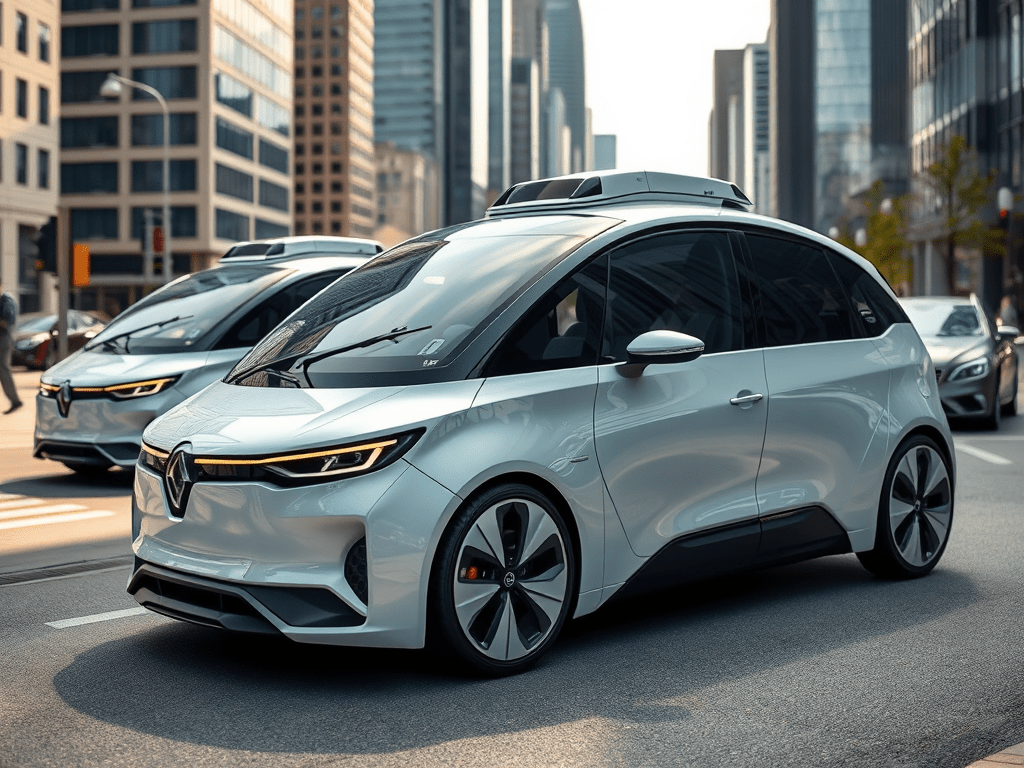
While the vision of a completely driverless car for every consumer is still some way off, the industry is making significant, practical strides. The future of autonomous vehicles is likely to unfold in stages.
- Level 4 Autonomy: The current focus is on Level 4 autonomy—where a vehicle can drive itself without human intervention, but only within a limited, predefined area (a geofenced zone). This model is proving to be the most viable for early commercial applications.
- Logistics and Delivery: The shift to automation is also transforming the logistics sector. Companies are testing driverless delivery vehicles and autonomous trucks to address driver shortages and improve the efficiency of freight transportation.
- Increased Collaboration: The industry is seeing more partnerships between traditional automakers and tech companies. This collaboration combines the automakers’ experience in manufacturing and safety with the tech companies’ expertise in software and AI, accelerating the development of a more practical and scalable future for autonomous vehicles.

Leave a comment