The American transportation and logistics industry is undergoing a historic transformation, with artificial intelligence (AI) at the heart of the change. AI is no longer a futuristic concept; it is now a critical tool that is helping companies navigate a complex supply chain, from the first mile to the last. Here’s a look at how AI is reshaping the way goods and people move across the country.
The Smart Highway: AI in Route Planning and Fleet Management
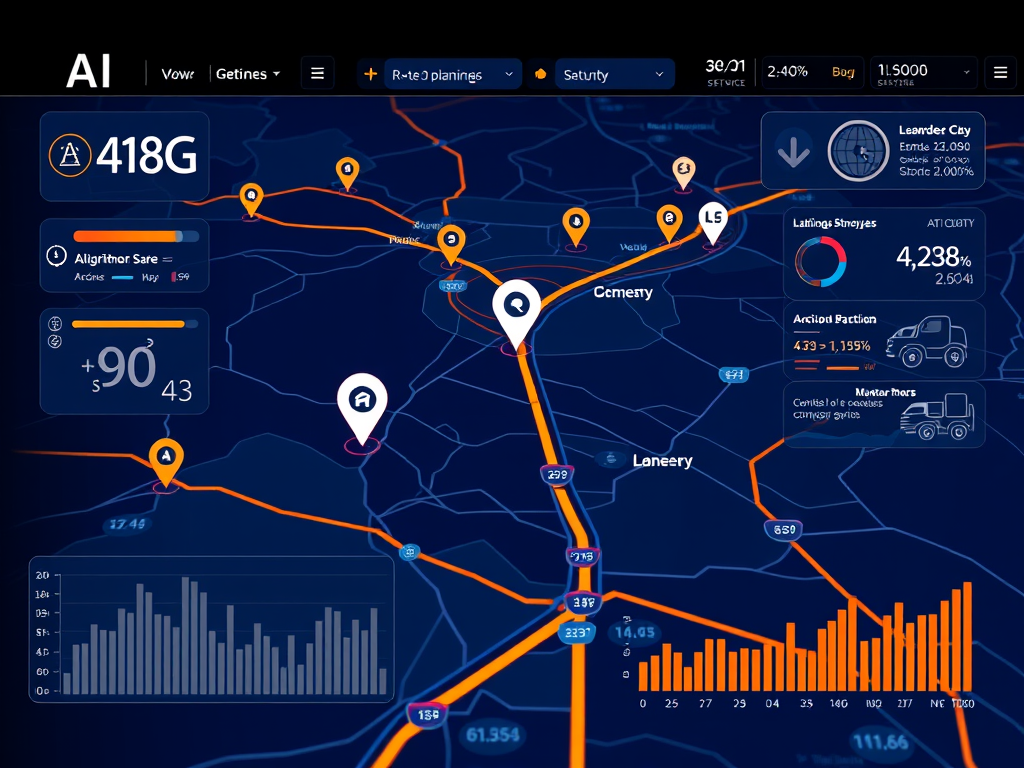
One of the most immediate impacts of AI is in the area of predictive route planning. Traditional logistics relied on static maps and human experience. Today, AI-powered software analyzes massive datasets in real-time, including live traffic, weather patterns, road closures, and even driver availability, to calculate the most efficient routes. This not only reduces transit times and fuel consumption but also helps to avoid potential disruptions before they occur. For trucking companies, this means more efficient use of their assets and a significant reduction in operational costs.
The Digital Dispatcher: Automating the Supply Chain
AI is also streamlining the entire dispatch and scheduling process. The old system, which relied on phone calls and manual data entry, is being replaced by an automated digital marketplace. AI can now match loads with carriers in real-time, optimizing the schedule to reduce idle time for trucks and ensure that every delivery is completed on time. This is particularly important for the last-mile delivery sector, where consumer expectations for fast and accurate service are at an all-time high. AI can even predict delivery times with greater accuracy, which improves customer satisfaction and provides greater transparency.
The Rise of Predictive Maintenance
AI is also being used to monitor the health of the transport vehicles themselves. Sensors on trucks, trains, and even ships collect data on everything from engine performance to tire pressure. AI can analyze this data to predict when a component is likely to fail, allowing for predictive maintenance. This proactive approach prevents costly and unexpected breakdowns, which can cause major delays and disrupt the entire supply chain.
The Future of the Forklift: Robotics and Warehouse Automation
AI and robotics are also revolutionizing warehouses and distribution centers. AI-powered robots can now perform a wide range of tasks, from sorting packages to moving inventory. These robots can work around the clock, increasing efficiency and reducing the risk of workplace injuries. The rise of automated guided vehicles (AGVs) and robotic arms is creating a new model for warehouse operations that is faster, more accurate, and more adaptable to changing demands.

Leave a comment