The cost of shipping a car is not a fixed price and can vary significantly based on a number of specific factors.Understanding these elements can help you get a more accurate quote and potentially save money.
Here are the key factors that influence the cost of shipping:
1. Distance and Location
- Total Miles: This is the most significant factor. The longer the distance, the higher the total cost will be.
- Cost Per Mile: A key nuance is that the price per mile actually decreases as the total distance increases. For a short, local trip (under 500 miles), you might pay over $1 per mile, while a cross-country trip (over 2,000 miles) might be closer to $0.50-$0.75 per mile.
- Route Popularity: Shipping between major metropolitan hubs (like Los Angeles to New York) is often cheaper because these routes have high demand, ensuring carriers can fill their trucks for both the outbound and return journeys. Shipping to or from rural, remote, or hard-to-reach areas may incur additional fees.
2. Vehicle Details
- Size and Weight: Larger and heavier vehicles, such as full-size trucks, SUVs, and vans, take up more space on the carrier and consume more fuel. This increases the cost compared to shipping a compact sedan.
- Vehicle Condition: An inoperable vehicle (one that doesn’t run or brake) costs more to ship. It requires specialized equipment like a winch to be loaded and unloaded, which adds time and labor to the process.
- Modifications: Any modifications that make the vehicle oversized or low-riding can also increase the cost, as they may require special handling or a specific type of carrier.
3. Transport Method
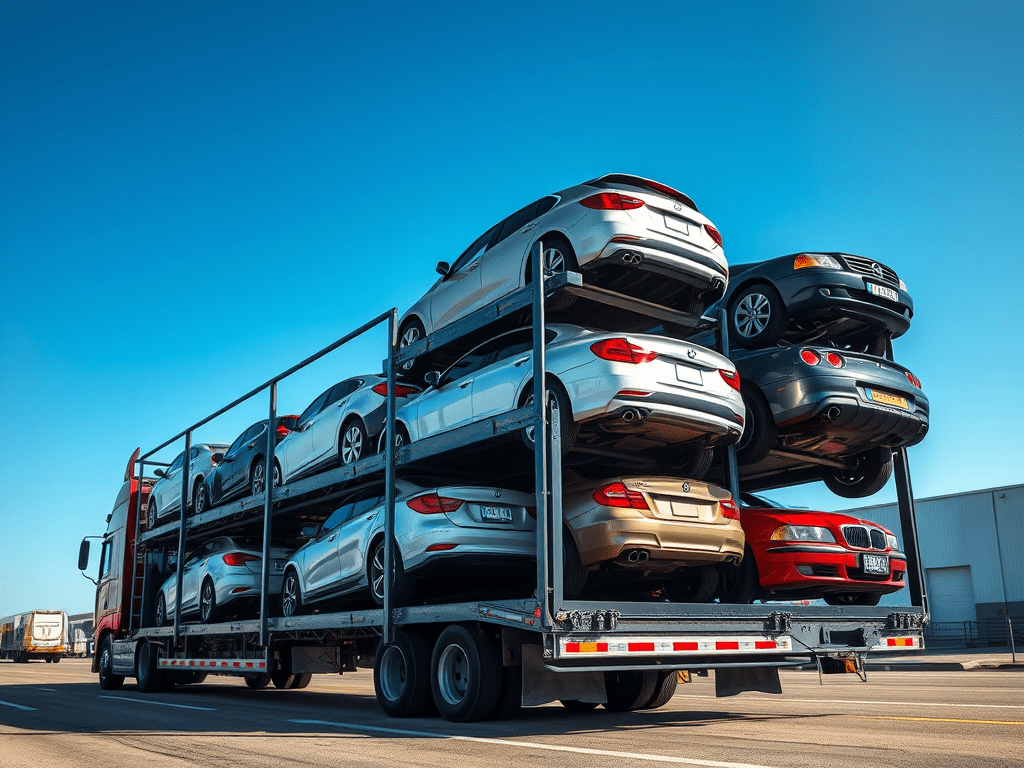
- Open Transport: This is the most common and affordable method. Your car is loaded onto an open two-level carrier and is exposed to the elements and road debris.
- Enclosed Transport: This method is significantly more expensive, often 30%-50% more, than open transport.The vehicle is sealed inside a container or an enclosed trailer, providing maximum protection from weather, dust, and potential road hazards. This is the preferred choice for classic, luxury, and high-value cars.
4. Seasonality and Market Demand
- Peak Seasons: Prices are higher during peak moving seasons, typically from late spring through late summer.This is when college students are moving, and “snowbirds” are migrating between northern and southern states.
- Off-Seasons: The off-peak seasons, such as late fall and winter, can offer lower rates due to decreased demand.
- Fuel Prices: Fluctuations in diesel fuel prices can directly impact a carrier’s operating costs, and these costs are often passed on to the consumer through a fuel surcharge.
5. Expedited Shipping and Delivery
- Urgency: If you need your vehicle shipped on a tight deadline, you’ll pay a premium for expedited service.Standard shipping has a wider pickup window, which allows carriers to optimize their routes and offer a lower price.
- Door-to-Door vs. Terminal-to-Terminal: Door-to-door service is more convenient but can be more expensive than terminal-to-terminal, which requires you to drop off and pick up the vehicle at a central hub.

Leave a comment