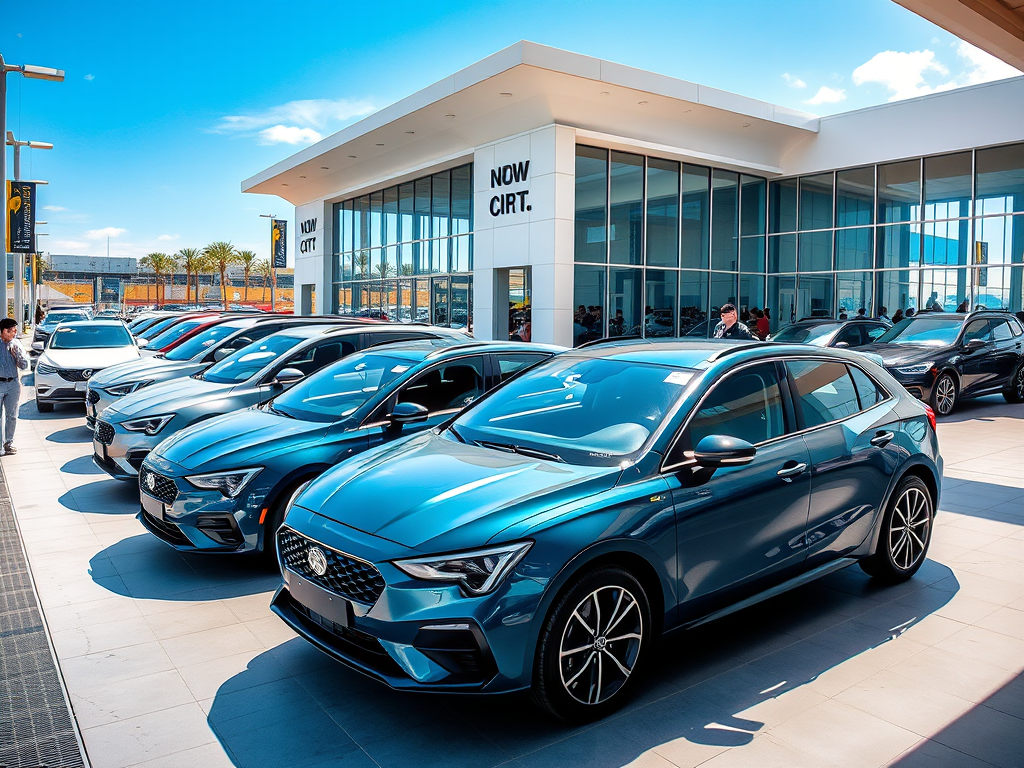
AI significantly enhances demand forecasting for car dealerships by replacing traditional, reactive methods with a dynamic, data-driven approach that is far more accurate.
It works by using machine learning algorithms to analyze a massive, diverse set of data points to predict not just how many cars will sell, but which specific models, trims, and features will be in demand and when.
Here is a breakdown of how AI helps with demand forecasting:
1. Analysis of Comprehensive Data Sources
Unlike traditional forecasting, which primarily relies on past sales, AI ingests and processes an enormous range of internal and external data.
| Data Type | Examples of Data Analyzed by AI | How it Improves the Forecast |
| Internal Data | Historical sales data, website browsing history, customer relationship management (CRM) data, financing applications, vehicle service records. | Identifies specific local buying patterns, feature preferences, and customer demographics for your market. |
| External/Market Data | Competitor pricing, manufacturer production schedules, economic indicators (e.g., interest rates, unemployment), local events, weather patterns. | Provides context for market shifts (e.g., predicting a surge in 4×4 demand before a severe winter forecast) and regional economic health. |
| Online Trends | Google search trends, social media sentiment (e.g., excitement around a new model release), online review data, clicks on specific ads. | Captures real-time consumer intent and buzz that traditional models miss, allowing for rapid inventory adjustments. |
Export to Sheets
2. Predictive Accuracy and Granularity
AI models can handle the complexity of the data to deliver much more precise forecasts.
- Pinpoint Specificity: AI predicts demand at a highly detailed level, such as predicting the need for “20 white mid-size SUVs with a specific tech package” rather than just “40 SUVs.” This reduces the risk of having the wrong mix of vehicles.
- Dynamic Adjustments: The model continuously learns from new sales and market changes. If a competitor runs an aggressive promotion or an economic report causes a shift in buyer behavior, the AI can recalibrate the forecast instantly, allowing the dealership to adjust its acquisition strategy immediately.
- Reduced Errors: By considering all variables, AI can reduce forecasting errors significantly, which translates directly to a reduction in both costly overstocking (too many vehicles, high holding costs) and missed sales due to stockouts (running out of popular models).
3. Inventory Optimization and Sourcing
The improved forecast directly drives better business decisions for the dealership’s inventory and logistics.
- Smarter Acquisition: The AI recommends the optimal number and type of vehicles to order from the manufacturer or source from auctions, ensuring that capital is invested in the vehicles most likely to sell quickly.
- Improved Inventory Turnover: By matching stock perfectly to local demand, vehicles spend less time on the lot, increasing the inventory turnover rate and improving overall profitability.
- Strategic Pricing: The forecast informs the dealership’s dynamic pricing strategy. If AI predicts a spike in demand for a certain vehicle, the system can recommend holding the price firm. Conversely, for a slow-moving, overstocked unit, it can suggest a strategic discount to clear the inventory faster.


Leave a comment