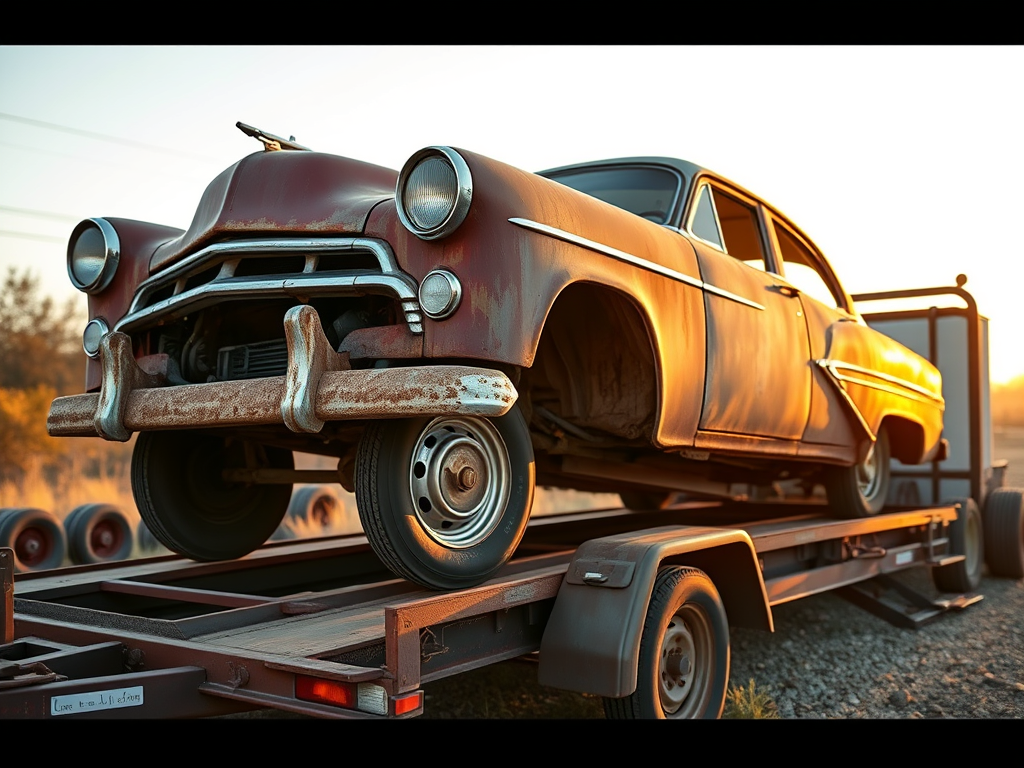
It’s a common term in auto transport, auctions, and salvage/scrap industries.
1. Auto Transport & Shipping
This blog focus on the logistics and costs of moving a non-running car, which often requires special equipment like a winch or forklift.
- Focus: What “inop” means for a carrier (does it roll, steer, or brake?), how much it costs to ship, and tips for preparing the vehicle for transport.
2. Junk/Scrap Car Buyer Blogs
Companies that purchase damaged or end-of-life vehicles maintain blogs that often discuss the value and disposal of inoperable cars.
- Focus: How to sell a non-running car, what factors affect its scrap value, common mechanical problems that lead to a car being scrapped (e.g., blown engines, bad transmissions), and the process of junk car removal.
3. Classic Car Restoration Blogs
Many restoration projects start with an inoperable “barn find.” These blogs document the process of bringing a dead car back to life.
- Focus: Restoration tips, step-by-step guides for repairing major mechanical or body damage, budgeting for a project, and sourcing parts for old or rare inoperable vehicles.
4. Code Enforcement / Municipal Blogs
In a legal sense, a car can be considered “inoperable” by a city or county if it is unable to be legally driven due to a lack of current registration, flat tires, or being wholly dismantled.
- Focus: Local ordinances regarding storing inoperable vehicles on private property and the definition of a public nuisance vehicle.
If you are looking for information on a specific aspect of inoperable cars (like shipping costs, repair projects, or selling for cash), you may have better luck searching for one of the categories below.

Leave a comment