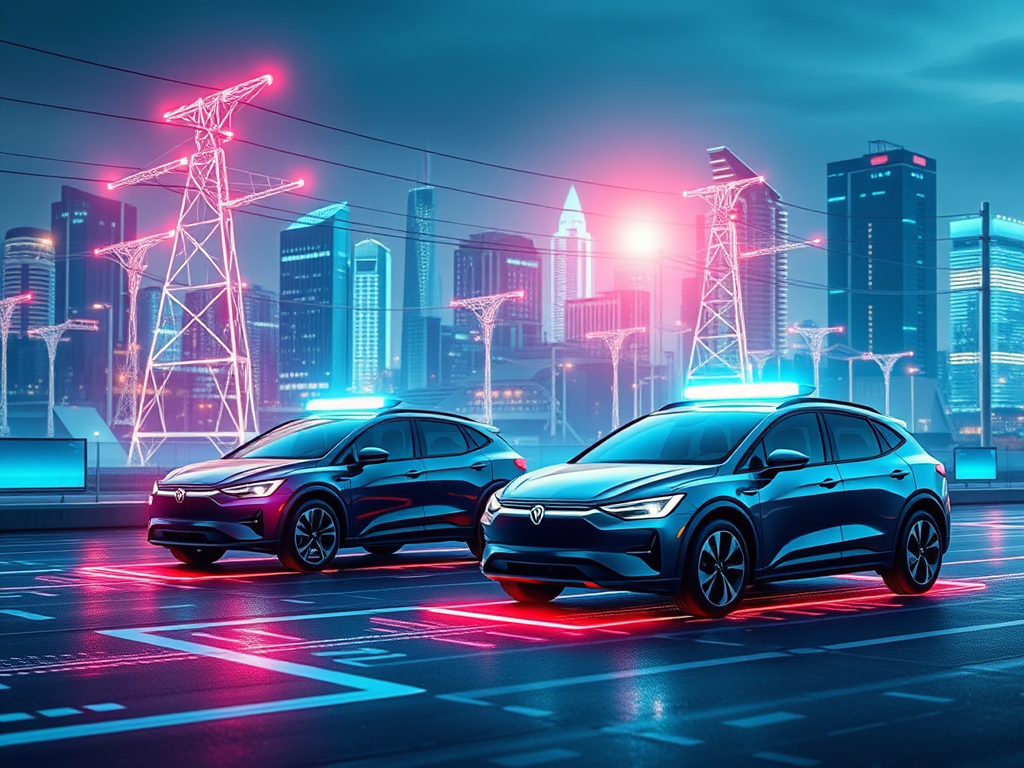
Here is an extrapolation of what that “next wave” would encompass based on AAS LLC USA’s focus areas and industry trends:
The Next Wave: V2G and Intelligent Logistics
The next major leap in transportation is transforming vehicles from simple modes of transit into active components of the energy grid and the supply chain. This is driven by two main technological advancements: Vehicle-to-Grid (V2G) capability and the deployment of AI agents in logistics.
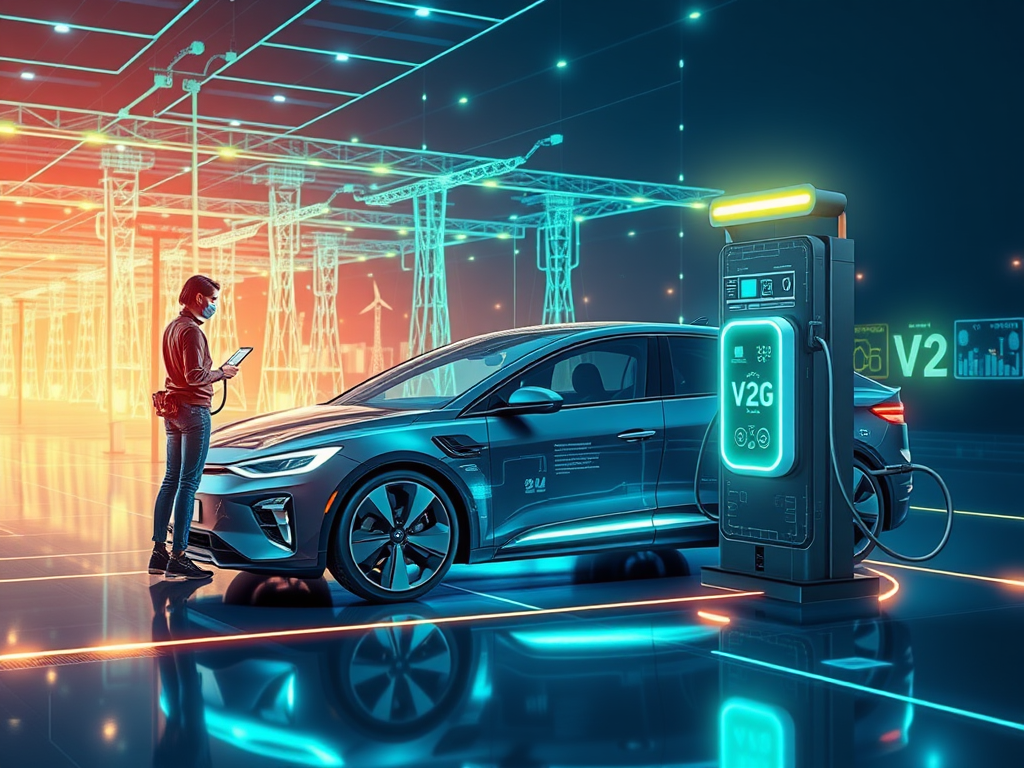
1. Vehicle-to-Grid (V2G): The Vehicle as a Mobile Power Plant ⚡️
V2G is a bidirectional power flow system that allows electric vehicles (EVs) to not only draw power from the grid but also send stored energy back to the grid or a building. This moves the conversation past simply replacing gasoline cars with electric ones and turns the EV fleet into a massive, distributed energy storage asset.
Key Benefits of V2G:
- Grid Resilience and Stability: During peak demand periods or emergencies (like a heatwave or storm), a V2G-enabled fleet (like school buses or commercial vans) can feed power back to the local grid, helping to prevent blackouts and stabilize the energy supply. This reduces reliance on fossil fuel-powered “peaker plants.”
- Cost Reduction and Revenue Generation: For fleet operators (like those in auto transport logistics) and even individual EV owners, discharging power back to the grid during high-price hours can generate revenue or significantly reduce the overall cost of vehicle ownership.
- Renewable Energy Integration: V2G provides a flexible storage solution for intermittent renewable energy sources like solar and wind. EVs can charge when the sun is brightest or the wind is strongest, and then release that clean energy when needed.
2. AI Agents and Hyper-Automation in Logistics 🤖
The convergence of Artificial Intelligence (AI) and logistics is creating a new layer of intelligence and efficiency that goes beyond the vehicle itself. AI Agents are software programs designed to automate complex, non-driving tasks autonomously, acting as virtual employees to manage the entire logistics workflow.
How AI Agents are Transforming Transportation:
- Intelligent Route and Load Optimization: AI agents analyze massive datasets—traffic, weather, delivery windows, and vehicle capacity—in real-time to find the most efficient routes and maximize the utility of every truckload, which leads to significant fuel and cost savings.
- Predictive and Dynamic Operations: These agents can forecast demand spikes (like holiday rush) and global supply chain risks, allowing logistics companies to proactively adjust their fleet and resource allocation before problems occur.
- Automated Customer Service and Coordination: AI virtual agents can handle routine tasks like tracking calls, appointment scheduling, and customer inquiries 24/7. This streamlines the administrative process and frees up human employees for more complex negotiations and strategic work.
- End-to-End Visibility: By integrating data from all parts of the supply chain—from warehouse inventory to on-the-road vehicle telemetry—AI creates a common data foundation for real-time visibility and immediate, data-driven decision-making.
The “next wave” isn’t just about what powers a vehicle (electric) or who drives it (autonomous), but how that vehicle is integrated into a larger, intelligent ecosystem through V2G energy sharing and AI-powered logistics management.
How artificial intelligence is shaping the future of logistics and supply chain with Brad Revell provides insight into how AI, as a key component of the next wave of transportation, is optimizing logistics and supply chain efficiency.

Leave a comment