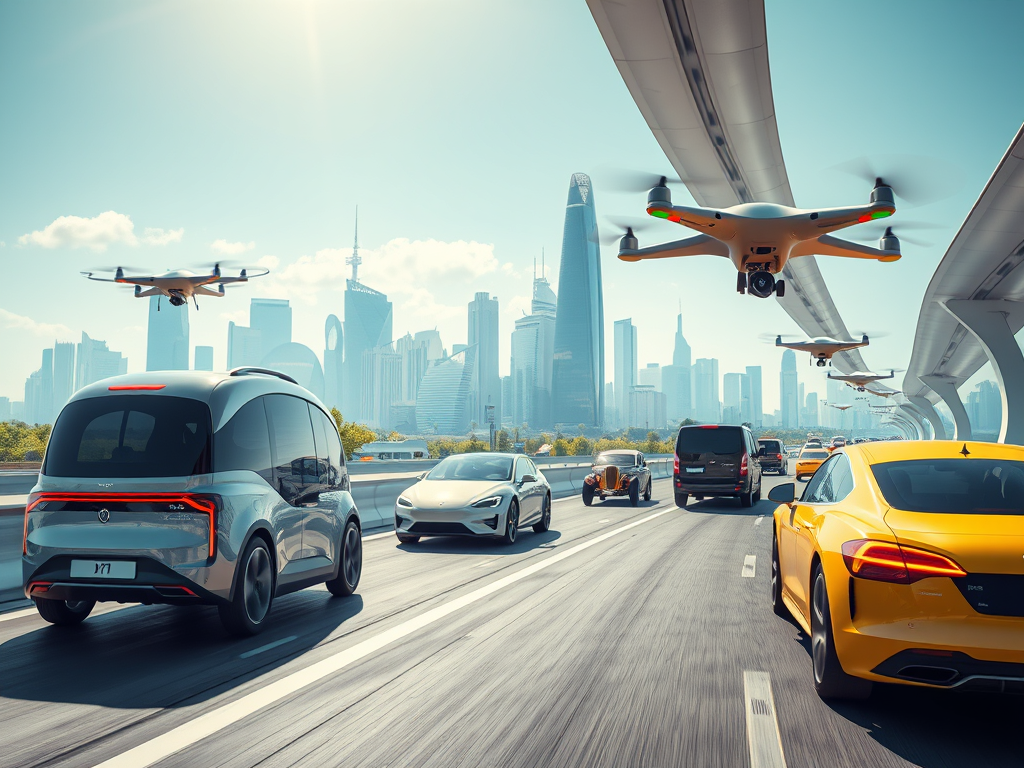
The United States transportation industry—the lifeblood of the nation’s economy—is on the cusp of a revolutionary transformation. Driven by a historic wave of infrastructure investment and disruptive new technologies like AI and electrification, the way Americans and their goods move is about to fundamentally change. The future won’t be about minor upgrades; it will be about smarter, cleaner, and more autonomous systems across road, rail, air, and sea.
🛣️ The Autonomous & Intelligent Roadway
The future of freight and personal travel is being redefined by two forces: automation and data.
1. The Autonomous Trucking Revolution
While public acceptance of fully driverless passenger cars is still evolving, the logistics industry is quickly embracing automation to solve the persistent driver shortage and boost efficiency.
- Driver-Assisted, Not Driverless: Near-term solutions focus on highly-enhanced trucks with advanced driver assistance systems (ADAS). These systems use AI to enable features like automatic emergency braking, collision avoidance, and predictive maintenance, making the roads significantly safer and the fleet more efficient.
- Logistics Optimization: AI-driven software is becoming essential for route optimization, real-time navigation, and predictive maintenance. These tools minimize idle time, reduce fuel consumption, and keep the nation’s supply chain moving 24/7.
- Yard Automation: Autonomous Mobile Robots (AMRs) and Automated Terminal Tractors (ATTs) are already streamlining operations in warehouses and shipping yards, helping to speed up cargo transfer and manage inventory.
2. Electric Vehicles (EVs) and The Charging Mandate
The shift from internal combustion engines to electric propulsion is irreversible. This transition is being heavily supported by federal initiatives like the Bipartisan Infrastructure Law (BIL), which is funding a national EV charging network and fleet conversions.
- Freight Electrification: The focus is expanding from passenger cars to heavy-duty electric trucks. This requires complex planning for energy availability, grid capacity, and the development of charging hubs for long-haul routes.
- Decarbonizing Fleets: Public transit is at the forefront of this shift, with federal grants accelerating the replacement of traditional buses with low- or no-emission vehicles, leading to cleaner air and quieter urban centers.
🚄 The Modernization of Public Transit and Rail
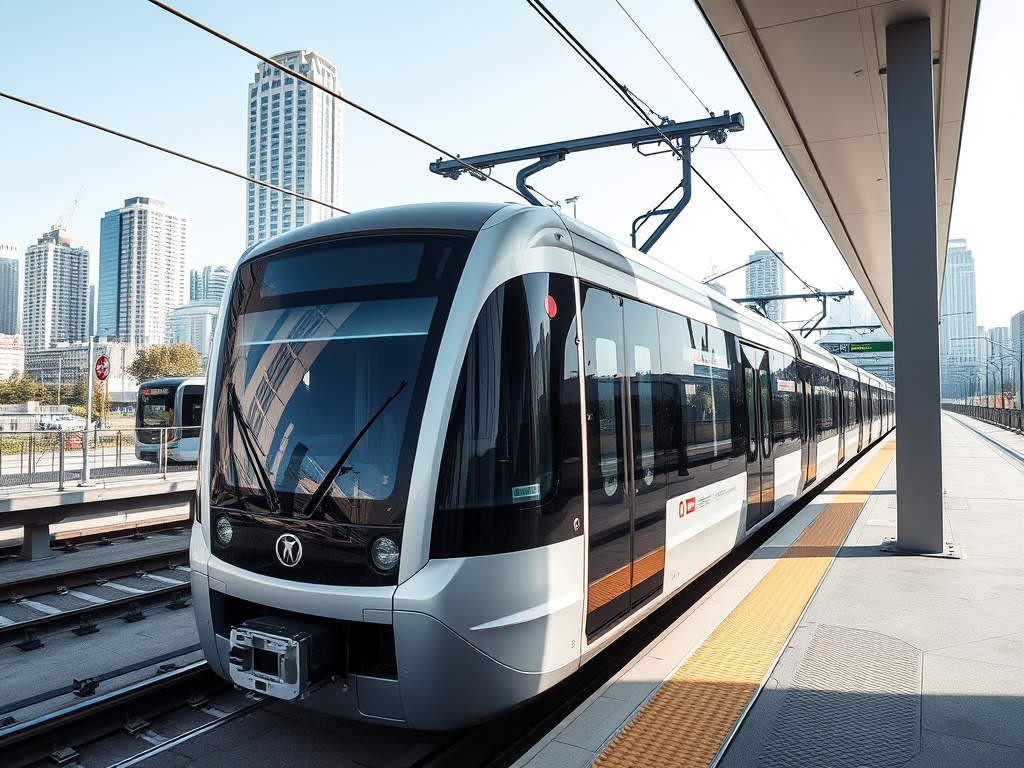
Public transportation systems are leveraging technology and massive capital injections to improve reliability, safety, and the rider experience.
- Data-Driven Transit: Intelligent Transport Systems (ITS) are transforming operations. IoT sensors and real-time data analytics are used for everything from coordinating bus routes in response to traffic conditions to providing riders with highly accurate real-time arrival information via apps.
- Infrastructure Investment: The BIL is making the largest federal investment in public transportation in US history, dedicating over $100 billion to modernize rail systems, replace aging railcars, and expand transit access, including making old stations fully accessible.
- Mobility-as-a-Service (MaaS): Cities are moving toward integrated, seamless transportation platforms. MaaS aims to combine public transit, ride-sharing, micromobility (e-scooters, bikes), and even electric air taxis (eVTOLs) into a single, user-friendly digital experience.
✈️ The Greening of Aviation and Maritime Shipping

Decarbonization presents a unique challenge for the air and sea, where battery and hydrogen technology face size and weight constraints for long-haul travel.
- Sustainable Aviation Fuels (SAF): SAF, derived from renewable biomass and waste resources, is the primary decarbonization lever for the aviation industry. It is a “drop-in” fuel that can be used in existing aircraft and infrastructure, offering a faster path to lower emissions than a complete switch to electric or hydrogen planes.
- Short-Haul Electric Air Travel: While long-haul jets rely on SAF, electric and hydrogen propulsion systems are expected to be viable for smaller, short-haul commuter aircraft and Urban Air Mobility (UAM) services.
- Port and Maritime Upgrades: Federal investment is targeting port infrastructure and waterways to improve the efficiency and resilience of maritime logistics. This includes modernization efforts to support larger vessels and a push to electrify port equipment.
The Defining Challenge: Building Smart Infrastructure
The new era of transportation requires a definition of infrastructure that goes beyond concrete and steel. The future is about “smart infrastructure”—assets that generate data and intelligence.
- Tech-Enabled Assets: New roads, bridges, and rail lines are being built with sensors and digital platforms for real-time monitoring and advanced asset diagnostics.
- Resilience and Efficiency: This digital layer enables predictive maintenance (fixing problems before they cause failures) and dynamic management systems, ensuring greater operational efficiency and resilience against climate events or cyber threats.
The future of the USA’s transportation industries is a journey toward an interconnected, data-driven, and sustainable network. The coming years will see unprecedented collaboration between government investment, private innovation, and disruptive technology to build a transportation system fit for the 21st-century economy.

Leave a comment