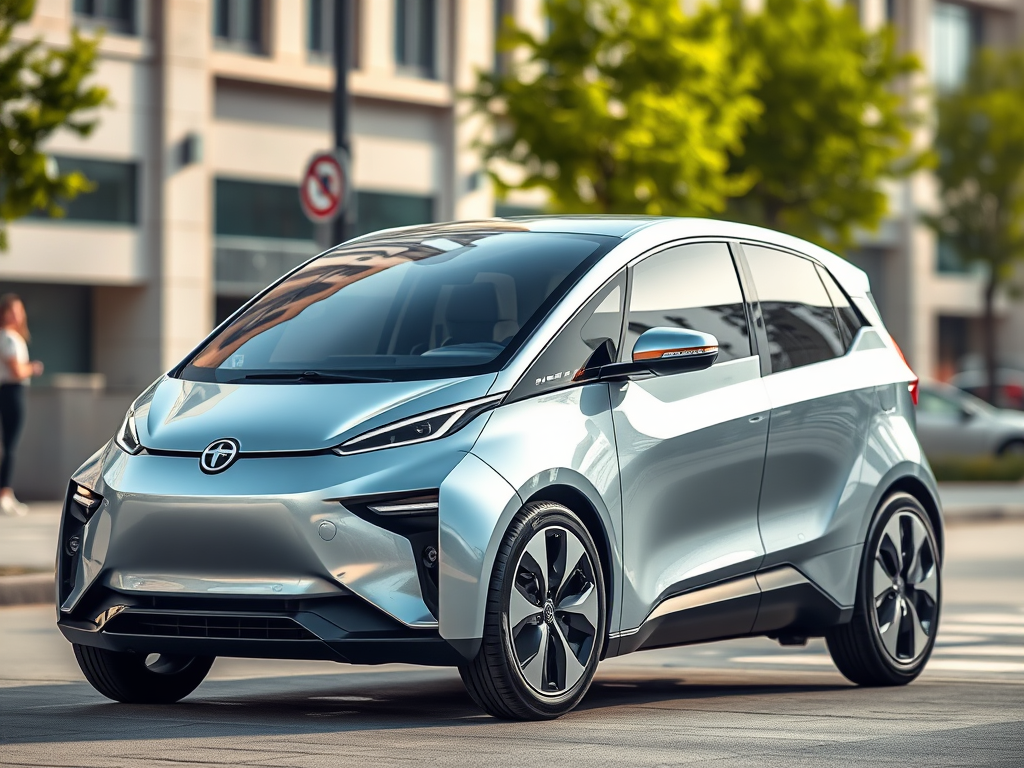
Transporting an electric vehicle (EV) isn’t quite the same as shipping a traditional gas-powered car. Between the heavy lithium-ion batteries and the sensitive software, there are a few extra steps you need to take to ensure your Tesla, Rivian, or Leaf arrives safely.
1. Manage the Battery Level (The “Goldilocks” Zone)
Unlike a gas car, which should be shipped with about a quarter tank of fuel to save weight, EV batteries have different requirements.
- Don’t ship at 100%: Lithium-ion batteries are most stable when they aren’t fully charged.
- Don’t ship empty: If the battery hits 0% due to “vampire drain” (the power used by the car’s computers while sitting), it can damage the battery’s long-term health.
- The Sweet Spot: Aim for a charge between 40% and 60%. This provides enough “buffer” for the driver to move the car on and off the trailer without the battery being under stress.
2. Activate “Transport Mode”
Most modern EVs have a specific software setting for shipping.
- Tesla: Go to Service > Tow Mode. This prevents the electronic parking brake from engaging unexpectedly and protects the regenerative braking system while the car is being winched or moved.
- Other EVs: Consult your manual for “Transport” or “Shipping” mode. This often disables certain over-the-air updates and alarm sensors that could drain the battery during transit.
3. Account for the Extra Weight
EVs are significantly heavier than internal combustion engines because of the battery pack. For example, a Ford F-150 Lightning can weigh 2,000–3,000 lbs more than a standard F-150.
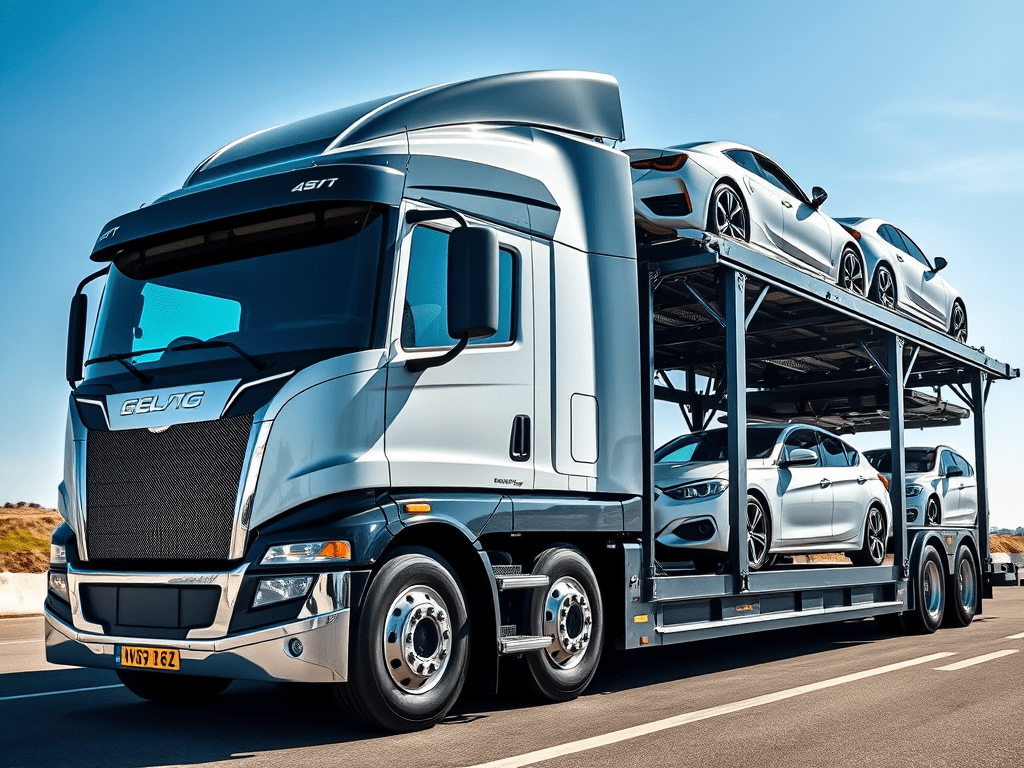
- Be Transparent: Always tell your shipping broker exactly which model you have. Carriers have strict weight limits for their trailers, and an unexpected heavy EV could cause a logistics headache at the loading dock.
4. Disable “Sentry” and Active Monitoring
Features like Tesla’s Sentry Mode or remote climate control are great for daily use but a nightmare for shipping.
- The constant vibrations of a moving trailer can trigger the cameras and alarms, leading to a dead 12V battery by the time the car reaches its destination.
- Turn off all active alarms and “summon” features before handing over the keys.
5. Document the Condition
Before the carrier arrives, give your EV a quick wash. This makes it much easier to see any existing scratches or dings.
- Take high-resolution photos of all four sides, the roof, and the wheels.
- Take a photo of the current odometer and the battery percentage.
EV Shipping Checklist
| Task | Status |
| Charge battery to ~50% | [ ] |
| Disable Sentry Mode / Alarms | [ ] |
| Retract side mirrors | [ ] |
| Remove personal items & Toll Tags | [ ] |
| Document exterior condition with photos | [ ] |

Leave a comment