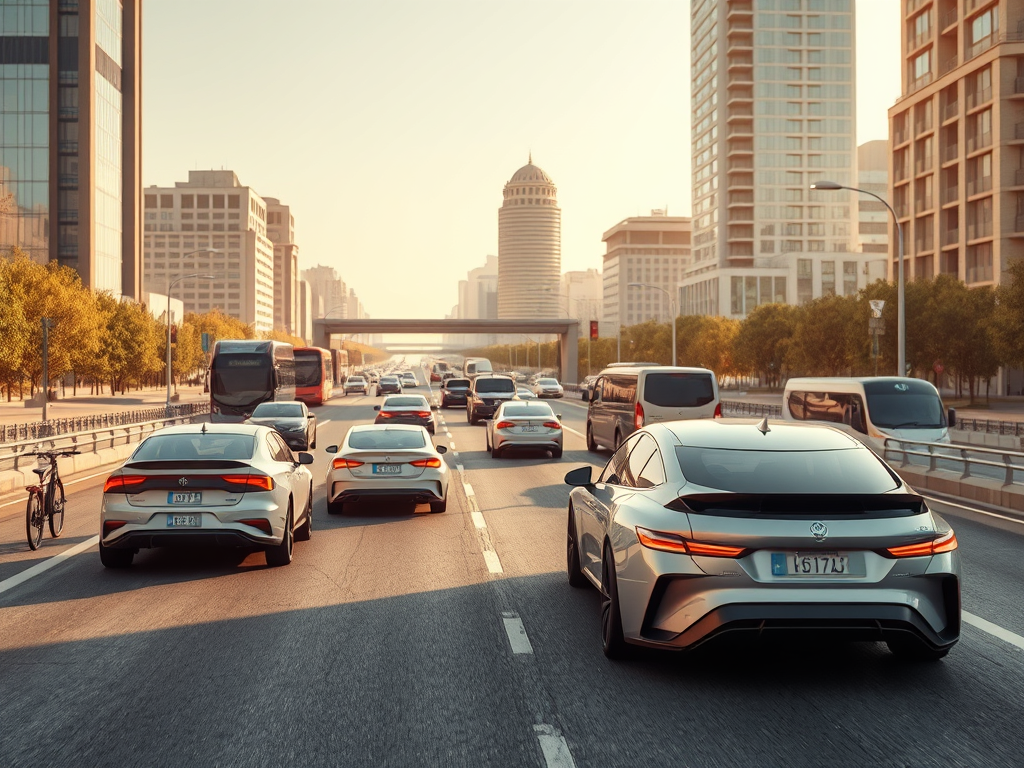
The American transportation landscape is on the cusp of a revolution. From bustling urban centers to vast rural expanses, how we move people and goods is undergoing a radical transformation, driven by technological innovation, environmental imperatives, and evolving societal needs. The future isn’t just about faster cars; it’s about smarter systems, cleaner energy, and more equitable access.
The Rise of the Autonomous and Connected
Perhaps no single technology holds more transformative potential than autonomous vehicles (AVs). While fully self-driving cars for widespread public use are still some years away, their impact is already being felt, particularly in commercial fleets for long-haul trucking and last-mile delivery. The promise of AVs is immense: a dramatic reduction in accidents (over 90% of which are due to human error), improved traffic flow, and the potential to free up vast urban spaces currently dedicated to parking. Imagine cities where streets are redesigned for pedestrians and bikes, with dedicated zones for automated deliveries and dynamic traffic lights adjusting in real-time.
Crucially, AVs will operate within increasingly connected transportation systems. Vehicle-to-everything (V2X) communication will allow vehicles to “talk” to each other, to infrastructure like traffic lights, and to personal devices, creating a dynamic and responsive network. This real-time data exchange is the brain behind smart mobility, enabling everything from predictive maintenance for commercial fleets to optimized routing that reduces congestion and emissions.
Electrification: A Cleaner, Quieter Ride
The shift to electric vehicles (EVs) is accelerating rapidly. The US has already passed key adoption tipping points, with EVs becoming more affordable to own over their lifespan due to fuel savings and reduced maintenance. While there was a slight slowdown in growth in 2024 compared to 2023, the trajectory towards mass adoption is clear, especially as battery technology continues to improve, reducing costs and increasing range and charging speeds.
This electrification extends beyond personal cars to public transit and commercial fleets. Electric buses are becoming more common, and electric trucks are on track to reach cost parity with diesel trucks in the coming years. The development of smart charging infrastructure and the adoption of common charging standards, like Tesla‘s North American Charging Standard (NACS), are critical to supporting this widespread transition.
Beyond the Road: Rail and Air Innovations
While cars and trucks often dominate the conversation, other modes of transportation are also evolving. High-speed rail is slowly but steadily gaining traction in the USA, with projects like Brightline West connecting Las Vegas and Southern California, and ongoing efforts to upgrade and expand the Northeast Corridor. These projects aim to offer faster, more sustainable alternatives for intercity travel, reducing reliance on short-haul flights and congested highways. There are even ambitious proposals for coast-to-coast high-speed rail, though these face significant hurdles.
In the skies, Urban Air Mobility (UAM), primarily through the development of electric vertical takeoff and landing (eVTOL) aircraft, promises to revolutionize intra-city travel. While still in early stages, eVTOLs envision a future of quiet, efficient air taxis and cargo delivery, potentially alleviating ground traffic congestion. Safety, public acceptance, and regulatory frameworks are key challenges that will shape their deployment.
Sustainable and Equitable Mobility
Underlying all these technological advancements is a growing commitment to sustainable and equitable transportation. This means:
- Reducing emissions: Promoting EVs, expanding public transit, and developing alternative fuels like hydrogen are crucial for mitigating climate change and improving air quality.
- Investing in active transportation: Creating more walkable and bikeable communities with dedicated, safe infrastructure encourages healthier habits and reduces reliance on cars for short trips.
- Enhancing accessibility: Ensuring that new transportation options are accessible to all, including those with disabilities and in underserved communities, is vital for social equity. “Mobility hubs” that integrate various forms of transportation, from bike-sharing to ride-on-demand services, are emerging as a way to connect communities more effectively.
- Data-driven decision making: Leveraging real-time data and AI will be critical for optimizing traffic flow, predicting maintenance needs, and making informed decisions about infrastructure investments.
The future of transportation in the USA is not a single, monolithic vision, but a dynamic and interconnected ecosystem of innovations. It’s a future where AI acts as the brain, electricity powers the movement, and connectivity ties it all together, promising a safer, cleaner, more efficient, and more accessible way to navigate our world. The journey ahead will undoubtedly have its bumps and detours, but the destination—a transformed and intelligent mobility landscape—is well within sight.

Leave a comment