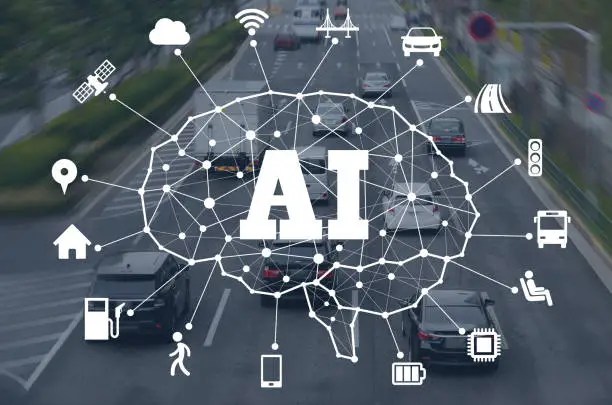
The way we move people and goods is undergoing a seismic shift, and the driving force behind this transformation is Artificial Intelligence (AI). From the daily commute to global logistics, AI is silently reshaping every mile of our journeys, promising a future that’s safer, more efficient, and incredibly intelligent. It’s not just about self-driving cars; AI’s impact stretches across all facets of the transportation industry, creating a network of automation, connectivity, and unprecedented data analysis.
Smarter Traffic Management: A Smooth Ride Ahead 🚦
One of the most immediate and impactful changes AI brings is in traffic management. Gone are the days of static traffic lights causing unnecessary delays. AI-powered systems analyze real-time data from cameras, sensors, and GPS devices to dynamically adjust signal timings, predict bottlenecks, and suggest alternative routes. This means less time stuck in gridlock, reduced fuel consumption, and lower emissions. Cities like Pittsburgh have already seen significant reductions in travel times and emissions thanks to AI-driven traffic optimization. AI also powers navigation apps, providing instant updates and the most efficient routes, turning once-chaotic commutes into smoother experiences.
Autonomous Vehicles: The Road to Driverless Mobility 🤖
Perhaps the most visible sign of AI’s influence is the rise of autonomous vehicles (AVs). While full autonomy is still evolving, AI is the brain behind self-driving cars, trucks, and even marine vessels. These vehicles utilize advanced sensors (LiDAR, radar, cameras) and sophisticated AI algorithms to perceive their environment, make real-time driving decisions, and navigate safely without human intervention. Companies like Waymo and Tesla are at the forefront, with their vehicles continuously learning from real-world experiences to improve performance. Autonomous freight trucks are already piloting commercial services, promising to revolutionize logistics by operating continuously and reducing labor costs.
Predictive Maintenance: Keeping Fleets on the Move 🛠️
For transportation companies, downtime is a killer. This is where AI-powered predictive maintenance comes in, transforming fleet management from reactive repairs to proactive prevention. AI systems analyze vast amounts of sensor data from vehicles to identify potential mechanical issues before they lead to costly breakdowns. By predicting when a component is likely to fail, companies can schedule maintenance strategically, extending vehicle lifespan, reducing operational costs, and ensuring uninterrupted service. This “fix-it-before-fail” approach is a game-changer for efficiency and reliability.
Enhanced Safety: A Safer Journey for Everyone 🛡️
Human error is a significant factor in transportation accidents. AI is playing a crucial role in enhancing safety across the board. Advanced Driver-Assistance Systems (ADAS), powered by AI, provide real-time alerts and interventions like automatic emergency braking, lane-keeping assist, and collision warnings, actively preventing accidents. AI-driven monitoring systems can also detect driver fatigue or distracted behavior, alerting drivers to potential dangers. The continuous learning capabilities of AI mean that these systems become even more effective over time, ultimately saving lives.
Sustainable Solutions: Greener Miles Ahead 🌱
AI is also a powerful ally in the push for more sustainable transportation. By optimizing routes and traffic flow, AI significantly reduces fuel consumption and emissions. It can also manage charging schedules for electric vehicles, integrate renewable energy sources into transportation systems, and even calculate the carbon footprint of individual shipments to suggest lower-impact alternatives. This focus on efficiency and optimized resource utilization is paving the way for a more environmentally responsible transportation future.
The Road Ahead: Challenges and Opportunities 🚀
While the benefits are immense, the integration of AI in transportation isn’t without its challenges. The cost of implementation, the need for robust cybersecurity measures, and the development of a skilled workforce are all critical considerations. Furthermore, navigating regulatory uncertainties and addressing public trust in autonomous systems will be crucial for widespread adoption.
Despite these hurdles, the future of transportation, supercharged by AI, promises unparalleled levels of efficiency, safety, and sustainability. As AI continues to learn and evolve, we can expect even more transformative innovations, from personalized journey planning to advanced drone delivery networks, truly reimagining how we move in the 21st century. 🌎

Leave a comment