Technological Integration
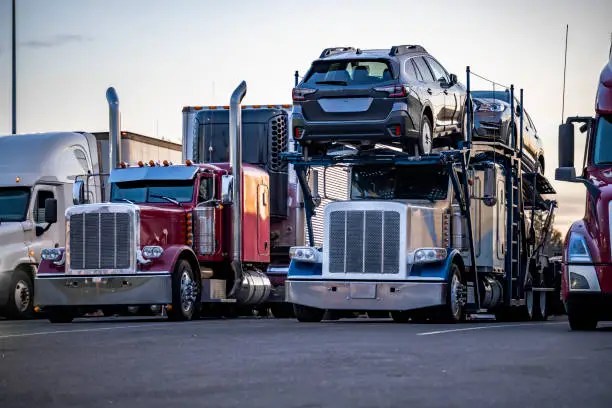
Moving a car across the country can seem like a monumental task, whether you’re relocating for a new job, buying a vehicle online, or simply want to enjoy your classic car in a different climate. Fortunately, the nationwide auto transport industry is a robust and ever-evolving sector dedicated to making this process as seamless as possible.
This specialized logistics field handles everything from everyday sedans to luxury vehicles, RVs, motorcycles, and even construction equipment. It’s a critical part of the automotive supply chain, ensuring vehicles reach their destinations safely and efficiently, meeting both consumer and commercial needs.
AI-powered solutions:
For optimized route planning, predictive analysis to anticipate disruptions, automated scheduling, and even accurate pricing and quoting. AI is also helping with damage inspections and improving customer communication.
Sustainability:
A growing focus on eco-friendly practices, including the use of alternative fuels, electric transport vehicles, and optimized routes to reduce carbon footprints.
Routes & Multi-Vehicle Loads:
A noticeable trend towards longer-haul moves, driven by migration patterns and regional demand. Carriers are capitalizing on this by bundling multi-vehicle loads, improving per-mile cost efficiency.
The Current Landscape: Growth and Innovation
The nationwide auto transport market is experiencing steady growth, driven by increasing demand for convenience and security when shipping vehicles over long distances. The industry is projected to continue expanding, with significant technological advancements shaping its future.

Challenges on the Road
Despite its growth, the auto transport industry faces its share of challenges:
Communication: Inadequate communication from some shipping companies can be a source of frustration for customers.
Fuel Price Fluctuations: Rising fuel costs can directly impact transport service prices, affecting customer willingness to pay.
Regulatory Compliance: Strict federal and state regulations, such as Electronic Logging Device (ELD) mandates and weigh station requirements, limit driver hours and can cause delays.
Driver Shortages: The persistent shortage of truck drivers can impact delivery efficiency and operational costs.
Unforeseen Delays: Weather conditions, traffic, mechanical issues, and accidents can lead to unpredictable delays.
Risk of Damage/Theft: While professional companies take precautions and offer insurance, there’s always an inherent risk of damage or theft during transit.
