

Artificial Intelligence is poised to reshape the logistics industry more than any other technology in the coming decade. From smarter routing to autonomous operations, here’s what to expect between 2026 and 2035.
1. Predictive Analytics & Demand Forecasting
AI will dramatically improve demand forecasting accuracy by analyzing weather, consumer trends, global events, and historical data. This will reduce overstock, empty miles, and wasted fuel in interstate transport.
2. Autonomous Trucks & Platooning
By 2030–2035, semi-autonomous and fully autonomous trucks are expected to handle a significant portion of long-haul routes. AI systems will manage convoys (platooning), boosting fuel efficiency and safety while addressing driver shortages.
3. Real-Time Dynamic Routing
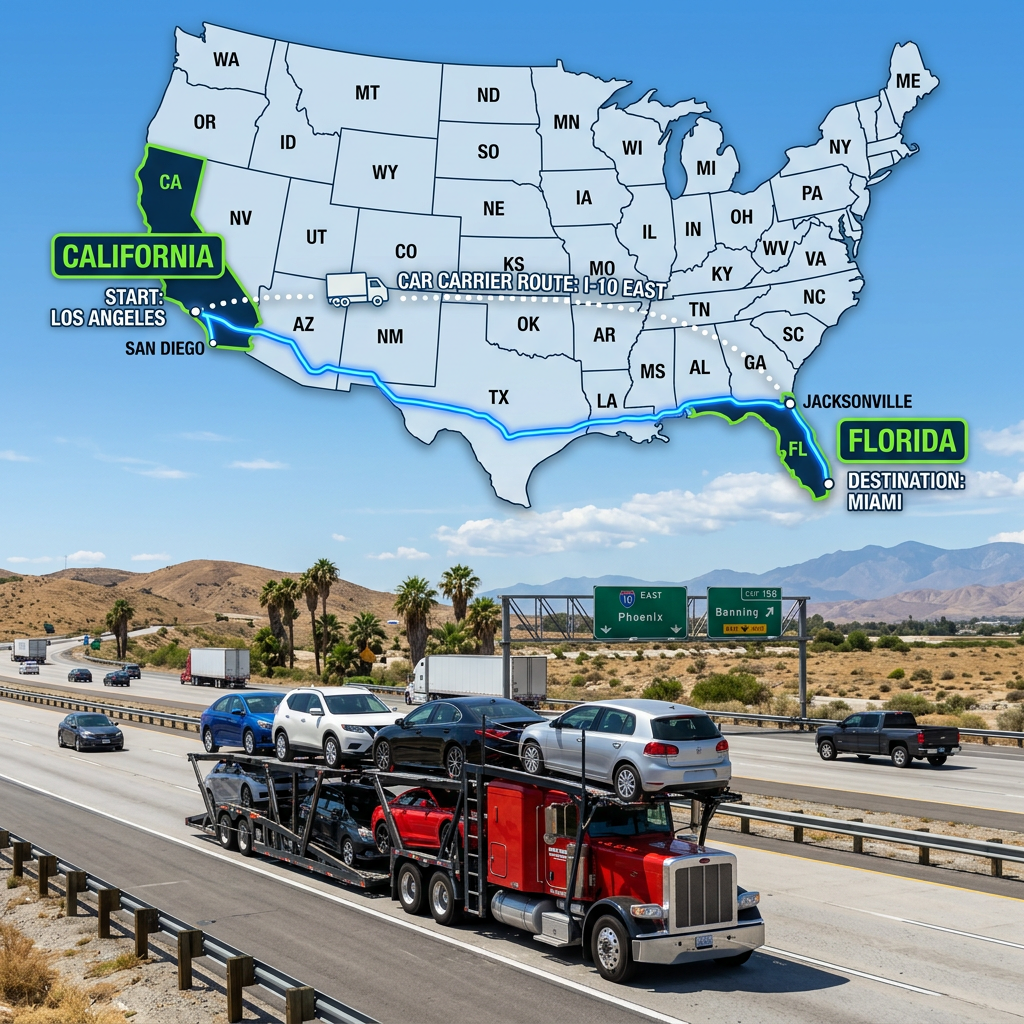
AI-powered systems will continuously optimize routes in real time based on traffic, road conditions, and delivery priorities. This means faster, more reliable interstate deliveries with fewer delays.
4. Warehouse & Last-Mile Automation
AI-driven robots and smart warehouses will speed up sorting and loading. For vehicle shipping, this translates to faster carrier matching and smoother coordination between shippers and transporters.
5. Enhanced Risk Management & Sustainability
AI will predict maintenance needs, detect potential disruptions early, and suggest eco-friendly routes. Logistics companies will achieve lower emissions and better compliance with evolving regulations.
What This Means for Vehicle Shipping
The auto transport sector will benefit greatly from these advancements. Faster carrier matching, more accurate ETAs, and improved tracking will become standard.
Allstates Auto Shipping (AAS LLC USA) is well-positioned to leverage these technologies while maintaining the personal touch customers value. Their nationwide services — including open/enclosed transport, expedited shipping, and specialized options like Wait & Return — already use real-time tracking and efficient matching systems. As AI evolves, expect even smoother experiences for cross-country vehicle moves. Get a quote today at https://aasllcusa.com.
Challenges on the Horizon
Regulatory approval, infrastructure investment, and data privacy will need to keep pace. Companies that adopt AI thoughtfully while keeping strong customer service will lead the industry.
The next 5–10 years will bring a more intelligent, efficient, and sustainable logistics network. For businesses and individuals who ship vehicles interstate, this future means greater convenience and reliability.
What AI development in logistics excites (or concerns) you the most? Share your thoughts in the comments!



Leave a Reply