

Shipping a Lifted or Modified Pickup Truck?
Two pickups with the same model badge can require different transport plans. One may be factory standard; the other may have a suspension lift, wider tires, an aftermarket bumper, and a bed rack. If both are quoted using only the year, make, and model, the second truck’s important details are missing.
The goal is to identify the right equipment before pickup day. A useful request describes the truck as it will travel, including everything that changes its height, width, length, weight, or loading requirements.
Send the exact configuration
Include the cab style, bed length, drivetrain, and whether the truck has dual rear wheels. List suspension changes and the actual tire size. Mention replacement bumpers, winches, toolboxes, roof or bed racks, camper shells, and permanently installed equipment.
Describe what will remain attached during transport. If something will be removed, confirm that it can be removed safely and that the truck will match the agreed configuration when the carrier arrives. Avoid providing stock photos when current photos can show the real vehicle.
Measure the truck instead of estimating the lift
A stated lift height is useful, but it does not replace overall dimensions. Measure the highest fixed point, widest point, and total length including projecting accessories. Explain how mirrors or removable items affect the measurement. Provide weight information from a reliable source and disclose added equipment.
Ask the coordinator whether additional measurements or photographs are needed. The assigned carrier must assess fit and loading suitability using its own equipment limits. There is no universal rule that every modified pickup fits on every open trailer.
Higher ground clearance does not answer every loading question
A lifted truck may still have vulnerable steps, long overhangs, or accessories that need attention during loading. Tire placement, overall height, trailer geometry, and the truck’s length all matter. Disclose anything unusual rather than assuming extra ride height solves every clearance issue.
Equipment-specific instructions illustrate why measurements matter: U-Haul’s auto transporter instructions identify fit restrictions and possible contact with low-hanging components. Those limits apply to that equipment; they are not universal commercial-carrier specifications.
Explain the operating condition
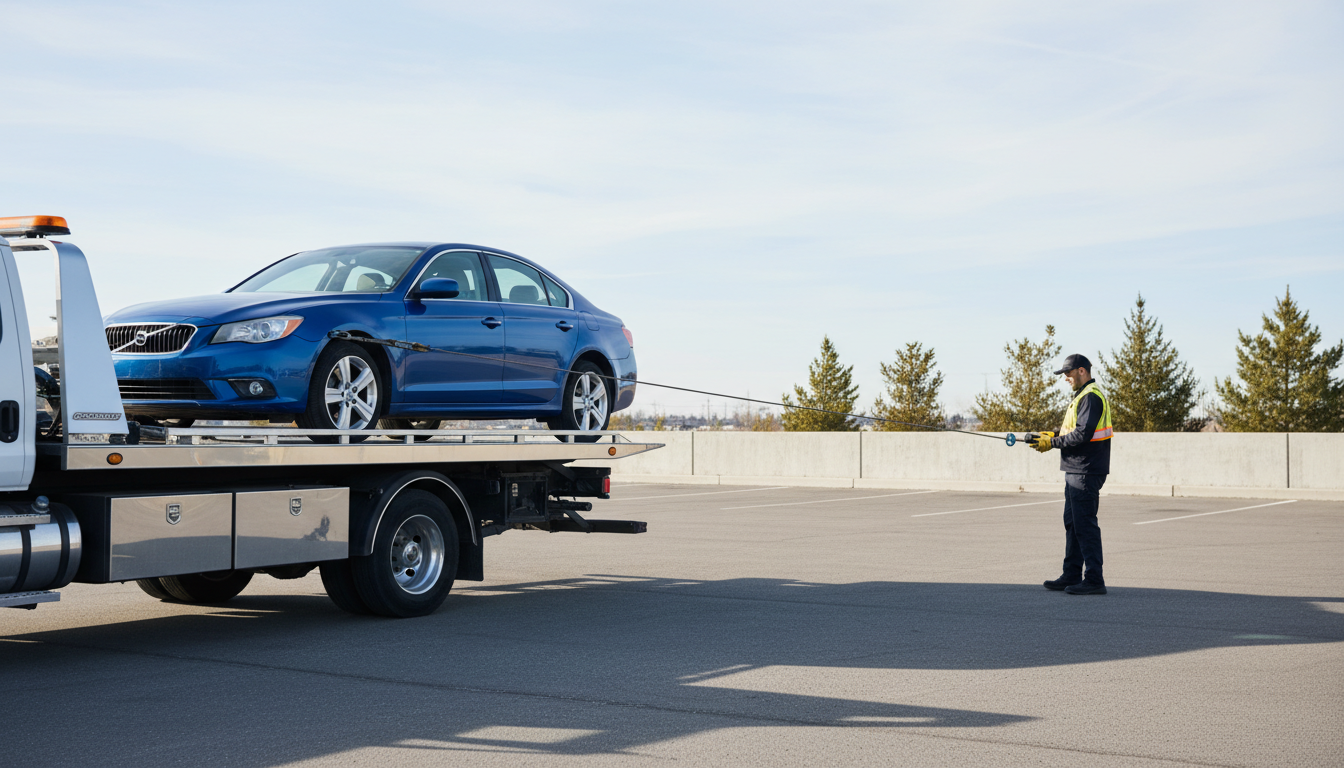
Tell the coordinator whether the truck starts, drives, steers, and brakes. Identify flat tires, locked wheels, leaks, suspension problems, or special starting procedures. A truck needing inoperable transport requires an equipment discussion before assignment.
If a repair shop or dealership holds the vehicle, confirm that it can be released and reached by the transporter. A truck stored behind other vehicles or inside a low garage may need access arranged before the carrier arrives.
Choose equipment around the truck

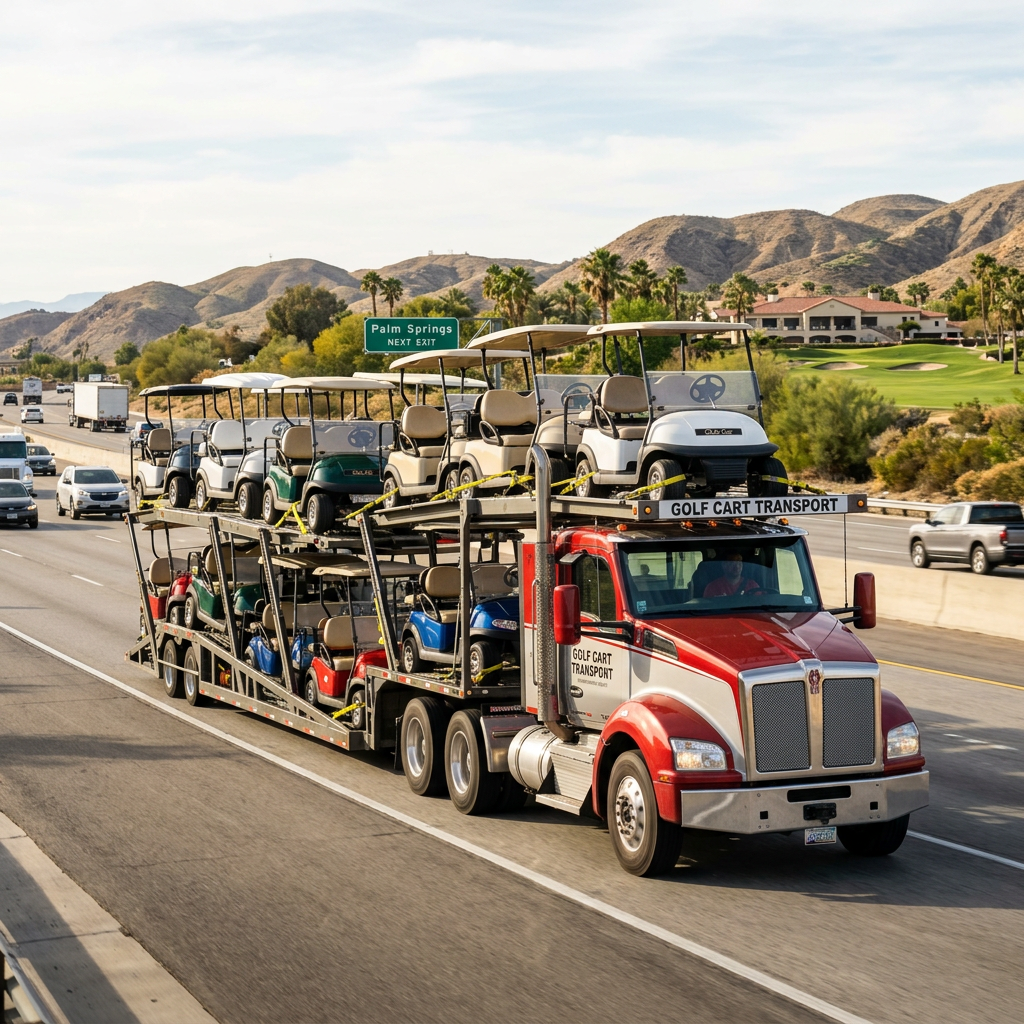
Open auto transport can be considered for many pickups, subject to size, weight, and availability. Enclosed equipment may offer additional shelter, but its interior dimensions and loading system also need checking. A larger-looking trailer is not a substitute for confirmed compatibility.
Dimensions and modifications can affect pricing and the number of suitable carriers. Ask for a quote based on the complete vehicle description. If you change the configuration after quoting, tell your coordinator before the shipment is scheduled.
Prepare accessories and records
Remove personal belongings and loose cargo from the cab and bed. Agree how detachable accessories will be handled. Do not use the truck as a moving container or leave tools loose because they fit under a cover. Keep keys and any necessary operating instructions available.
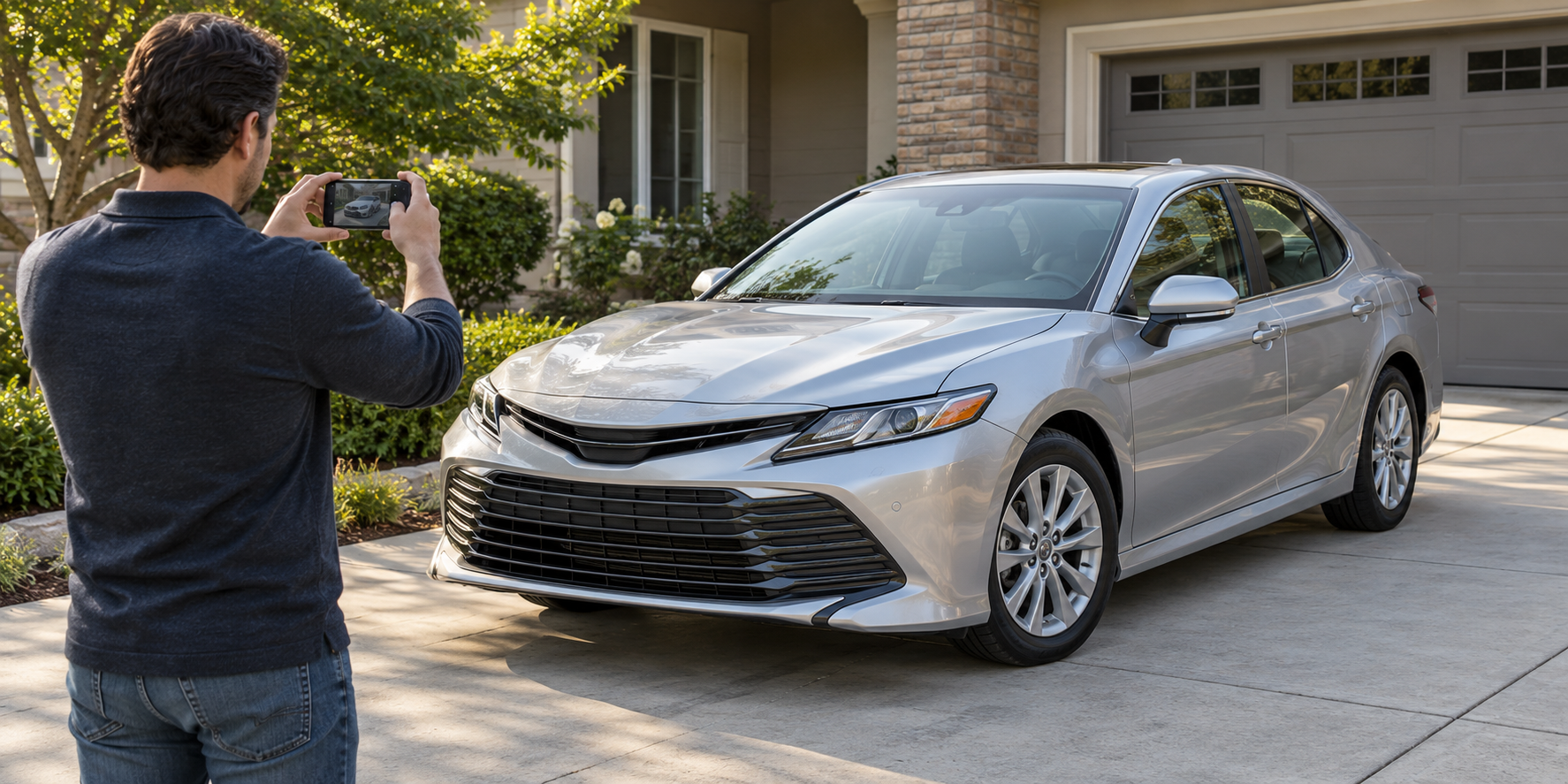
Photograph the body, wheels, steps, bumpers, and visible accessories before pickup. Compare the pickup condition notes with the truck, retain a copy, and inspect again at delivery. The AAS vehicle photography guide provides a useful documentation routine.
Your quote request checklist
- Year, make, model, cab style, bed length, and dually status.
- Overall dimensions, tire size, lift details, and weight information.
- Current photographs and a list of attached equipment.
- Running condition and any loading or access restrictions.
- Pickup and delivery ZIP codes, contacts, and first available pickup date.
For the broader service, visit sedan, SUV, and pickup truck shipping. Accurate details help a coordinator find a workable plan before a driver reaches the truck.
Allstates Auto Shipping is an auto transport company. We arrange transportation with carriers. Request a quote or call 855-313-3171.






Leave a Reply