

Pip: If your vehicle needs to cross the country — or cross an ocean — Allstates Auto Shipping has apparently thought about every scenario, including the ones you haven’t had yet.
Mara: AAS LLC USA has been publishing across a pretty wide range of territory: corporate and fleet logistics, specialized discount programs for military members, seniors, and students, and a full breakdown of shipping methods and how pricing actually works.
Pip: Let’s start with the business side — fleets, dealerships, and what happens after the gavel drops at auction.
Corporate Fleets, Dealerships, and Auction Logistics
Mara: The question this segment addresses is a practical one: how do businesses with ongoing vehicle movement needs — not one-off shipments — actually build a reliable logistics pipeline?
Pip: The corporate fleet post frames it directly: “businesses can’t afford downtime,” and the service is built around that premise — scheduled pickups, dedicated account managers, and volume pricing for fleets of one vehicle or fifty-plus.
Mara: That operational continuity point runs through the dealership-focused piece too. It describes slow vehicle logistics as something that “directly stall your cash flow,” and the answer is contracted lane rates and consolidated monthly billing so finance teams know transport costs before a deal closes.
Pip: And for dealerships moving price-sensitive out-of-state buyers off the fence, there’s a drive-away option — a vetted driver takes the keys and delivers the car directly to the customer’s driveway, which keeps the sale alive without the trailer overhead.
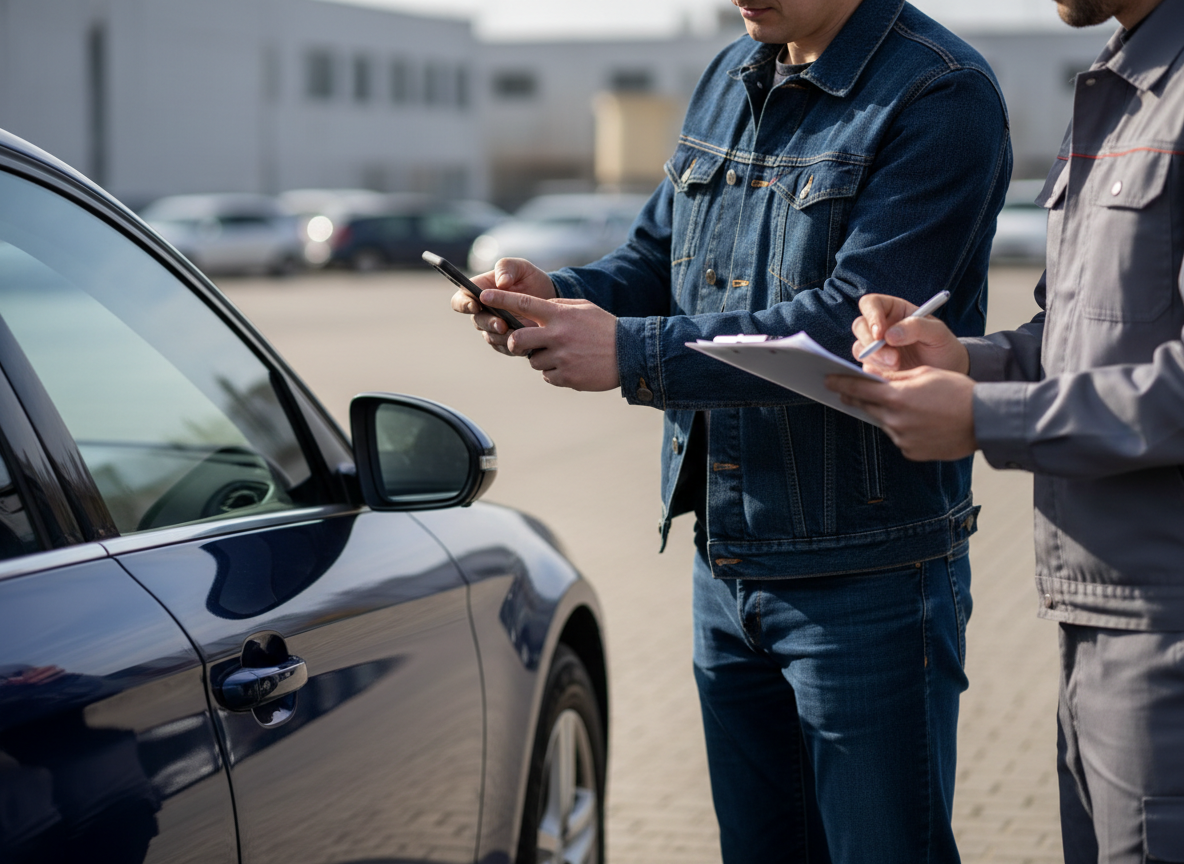
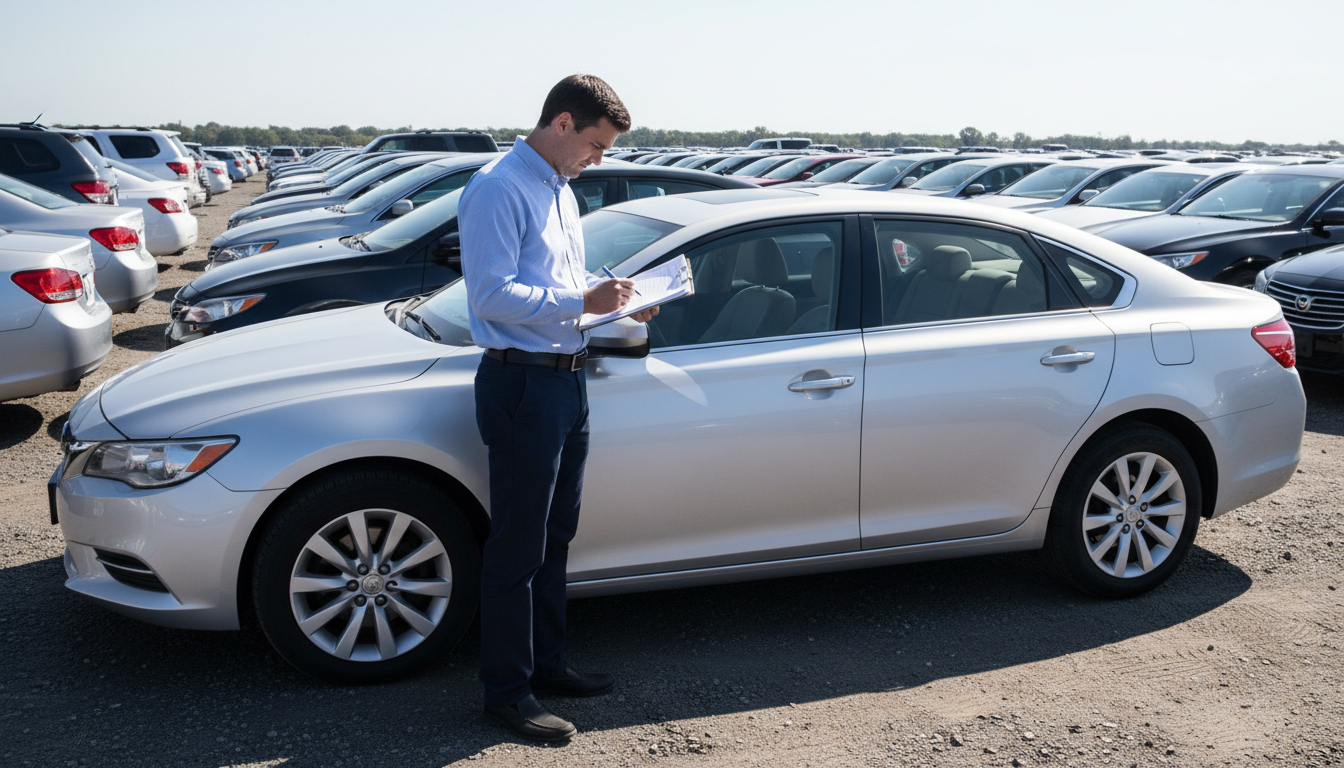
Mara: Auction logistics add another layer. The guide to auction pickups is blunt about what goes wrong: “A carrier cannot just show up and ask for ‘the blue Mustang.’ They legally cannot enter the yard or load the vehicle without the correct Buyer Number, Lot/Item Number, and a copy of the Gate Release / Paid Invoice.”
Pip: And the clock is already running — most auction yards give you three to five business days before storage fees start.
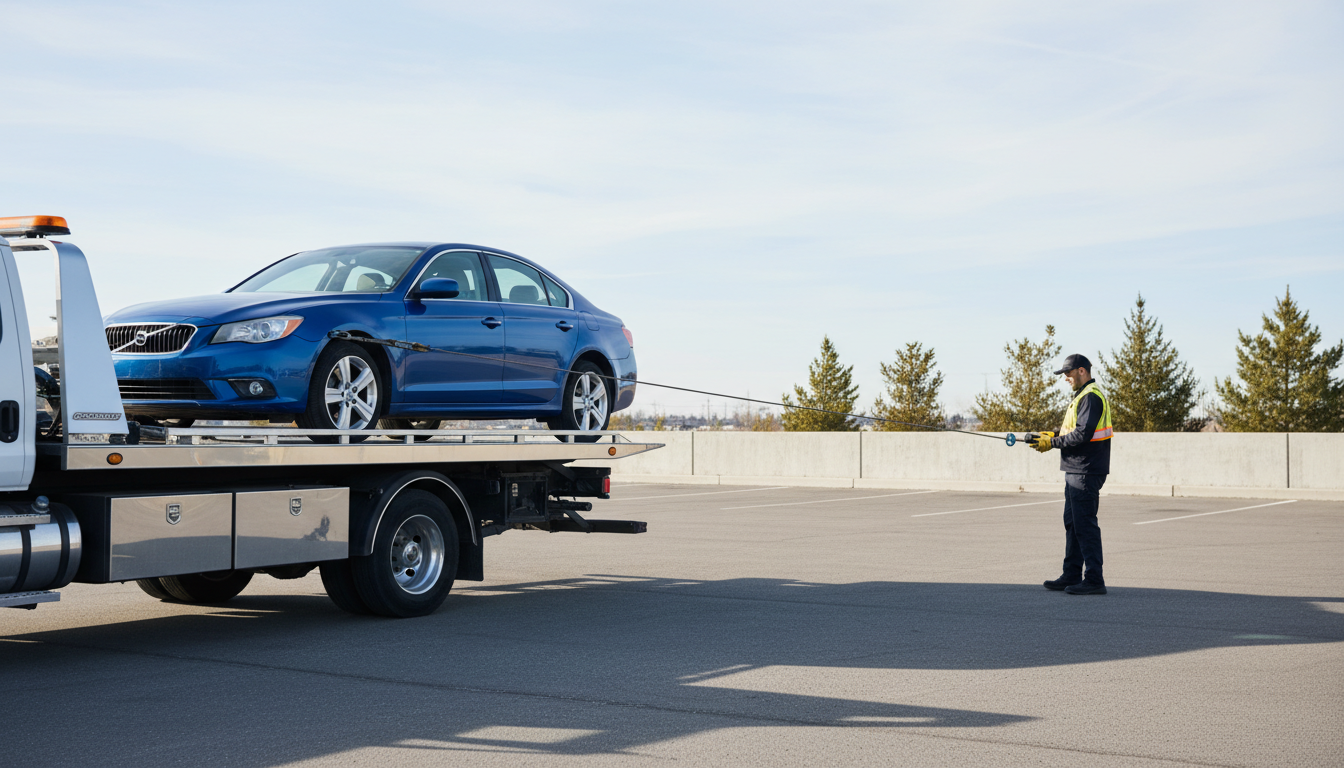
Mara: The auction pickup services overview and the “Who We Serve” post both reinforce that AAS handles inoperable vehicles from auction floors using winches and specialized equipment, which matters because a significant share of auction inventory doesn’t run. That capability is the difference between a clean pickup and a rejected load.
Pip: From fleet logistics to the people inside those fleets — the discount programs are a different kind of infrastructure.
Discounts, Special Cases, and Routes That Don’t Follow the Map
Mara: This segment covers a specific tension: vehicle transport is expensive precisely when people can least absorb that cost — during a military PCS, a college move, a seasonal migration, or a route that doesn’t fit standard infrastructure at all.
Pip: The discount programs post names the stakes plainly: “whether you are a service member executing sudden Permanent Change of Station (PCS) orders, a seasonal snowbird heading to your winter home, or a college student moving across the country for the new semester, keeping transport costs down is essential.”
Mara: The military guide adds important context — for domestic CONUS moves, the government authorizes a mileage allowance but does not pay to ship a privately owned vehicle. Service members shipping a second vehicle are paying out of pocket, which is why the discount and priority dispatch aligned to the RNLDO reporting date actually matter.
Pip: The snowbird piece is essentially a timing manual. It maps two annual demand waves — southbound from mid-October through November, northbound in April through mid-May — and notes that shipping a week or two outside those peaks can save hundreds of dollars.
Mara: Gated communities and retirement villages come up in both the snowbird guide and the discount programs post. An 80-foot hauler can’t legally enter many of those properties, so the standard workaround is a face-to-face handoff at a nearby open parking lot — grocery store, shopping center, wide highway shoulder.
Pip: The college student guide covers the same physical constraint on the delivery end, and adds that students can pack up to 100 pounds of soft goods in the trunk — which is a small but genuinely useful detail when you’re also paying for a checked bag.
Mara: Then there are the routes that fall entirely outside standard infrastructure. The Alaska-to-Lower-48 piece describes a multimodal pipeline: vehicles enter at a port like Anchorage or Whittier, travel by marine barge through Pacific shipping lanes to Seattle or Tacoma — a leg that takes five to seven days — and then transfer to ground carriers for final delivery. One booking covers the full journey, including cargo insurance continuity across both legs.
Pip: Heavy haul and inoperable transport round out the special cases. The heavy haul guide covers what triggers the specialized category — loads exceeding 80,000 pounds gross, widths past 8.5 feet, heights past 13 to 14 feet — and the behind-the-scenes work that follows: state-specific permits for every territory crossed, surveyed routing to avoid low-clearance bridges, and escort vehicles required by law depending on load dimensions.
Mara: Inoperable transport is more common than it sounds — the inop guide notes that for standard winch loading, the vehicle must still roll, steer, and brake even if the engine doesn’t run. If wheels are locked or missing entirely, that moves into forklift territory, which is a higher-tier specialty service billed separately.
Pip: All of which leads to a reasonable question: once you know what kind of shipment you need, how do you know you’re paying a fair price?
Shipping Methods and What You’re Actually Paying For
Mara: The core claim in the price match guarantee post is straightforward: “If you receive a lower written quote from a licensed nationwide transport provider for the same route, vehicle, and dates, we will match or beat their price.”
Pip: The terms are specific — same route, same vehicle condition, same transport type, written proof, quote no older than three days, and the competitor has to be FMCSA-licensed. That last condition is doing real work; it excludes the lowball quotes that can’t actually secure a carrier.
Mara: The open transport guide explains why that carrier-securing piece matters. Over 90 percent of vehicles in the U.S. ship via open carrier, and the reason is availability — more open trailers on the road means faster scheduling and lower per-vehicle cost, since fuel and tolls are split across seven to ten vehicles at a time.
Pip: Enclosed transport is the other end of that tradeoff — full protection from weather, road debris, and visibility, hydraulic liftgates for low-clearance vehicles, and higher insurance limits. The guide is clear that it’s the right call for classics, exotics, and anything where a flawless exterior is non-negotiable.
Mara: For timing, the two expedited posts — the complete guide and the speed-focused piece — both describe what priority dispatch actually buys: pickup windows narrowed to 24 to 48 hours instead of the standard three to seven days, more direct routing with fewer stops, and in urgent cases, same-day pickup. The cost premium typically runs 30 to 50 percent above standard rates.
Pip: Door-to-door transport closes the loop on logistics — the vehicle is picked up and delivered as close to the specified addresses as physically and legally possible, with the same nearby-meeting-point workaround for streets a hauler can’t enter.
Mara: Terminal-to-terminal is available as an alternative when schedules require it, but it’s an add-on cost, not the default.
Pip: Fleet pipelines, seasonal migrations, routes that require a barge — the operational picture here is wider than most people assume when they think “ship a car.”
Mara: And the pricing and method choices follow directly from the use case. Next time, we’ll see what else is on the road.




Leave a Reply